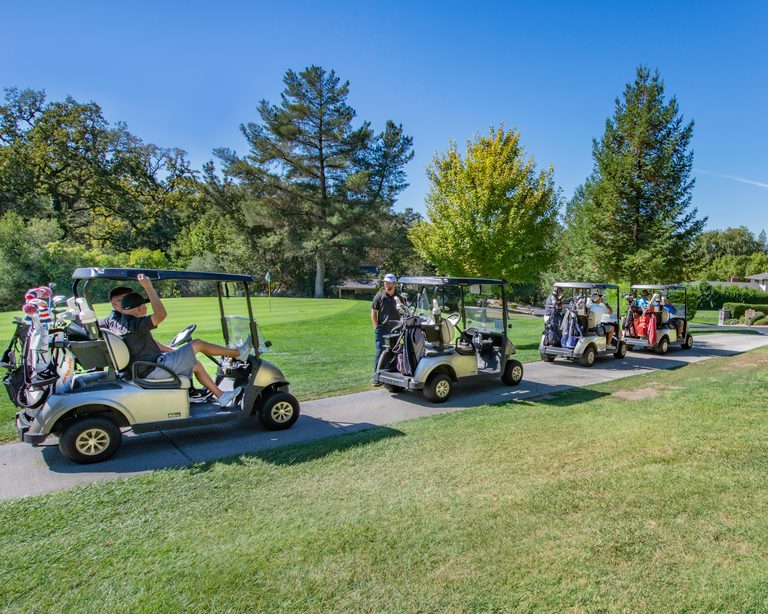
When a parent in Rochester spotted several golf carts cruising through a neighborhood, the question of legality quickly arose. While many Minnesotans enjoy the convenience of a low‑speed vehicle, the state’s Department of Public Safety does not automatically register or title motorized golf carts, leaving the authority to decide up to individual cities and counties.
Statewide framework
The Minnesota State Patrol’s Sgt. Troy Christianson answers the most common questions in his weekly “Ask a Trooper” column. He explains that, because golf carts are not considered motor vehicles under state law, they are not automatically street‑legal. Instead, local governments may adopt ordinances that permit their use on public roads, provided certain safety standards are met.
How cities differ
In Rochester, the city council has approved golf‑cart travel on any road with a posted speed limit of 25 mph or less. St. Cloud allows carts on roads up to 30 mph, while Duluth has taken a stricter stance and does not permit golf carts on public streets at all. Residents should verify the specific ordinance in their municipality before taking a cart out of the driveway.
What drivers must obtain
Regardless of the city, the following requirements are common across Minnesota:
- Special local permit: A permit issued by the city or county is mandatory. Applications typically require proof of insurance and a safety‑equipment checklist.
- Safety gear: The cart must be equipped with a rear‑view mirror that provides at least 200 feet of visibility behind the vehicle and display the triangular Slow‑Moving Vehicle emblem.
- Insurance: Local ordinances often require coverage comparable to standard motorcycle insurance, protecting both the driver and other road users.
- Lighting and weather limits: Carts may operate only between sunrise and sunset unless they are factory‑equipped with functional headlights, taillights and brake lights. Driving in adverse weather or low‑visibility conditions (under 500 feet) is prohibited unless an emergency situation exists.
- Traffic rules: Golf‑cart operators must obey all standard traffic laws, stay on designated roads, and may cross major thoroughfares only when it is safe to do so.
Why the rules matter
These safeguards aim to protect families, pedestrians and other motorists while allowing communities to enjoy a low‑speed, environmentally friendly mode of transportation. By requiring permits and insurance, municipalities ensure that cart owners are accountable and that any accidents can be properly addressed.
Practical tips for parents and residents
If you plan to use a golf cart for neighborhood trips, school runs or short errands, follow these steps:
- Check your city’s official website or contact the local clerk to confirm whether golf carts are permitted on public streets.
- Apply for the required permit well in advance of the intended use date.
- Verify that your cart meets the rear‑view mirror and Slow‑Moving Vehicle emblem requirements.
- Secure appropriate insurance coverage that meets the city’s specifications.
- Only operate the cart during daylight hours unless it has factory‑installed lighting, and avoid driving in rain, snow or fog that reduces visibility below 500 feet.
By adhering to these guidelines, residents can enjoy the convenience of a golf cart without risking citations or endangering others.
Looking ahead
As more Minnesotans consider golf carts as an alternative for short trips, additional municipalities may adopt ordinances similar to Rochester’s or St. Cloud’s. Keeping an eye on local council meetings and the Minnesota State Patrol’s updates will help drivers stay informed about any changes to the legal landscape.
Original reporting: News Talk 1340 KROC-AM – News and Talk – Rochester News Radio — read the source article.