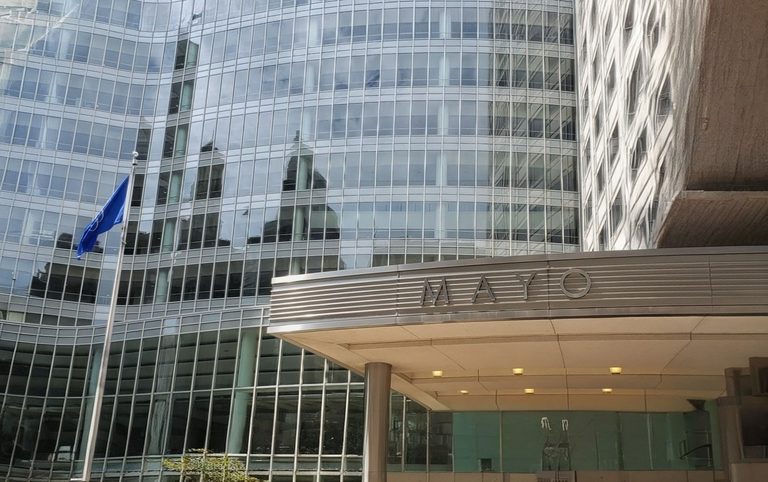
Rochester, MN – Minnesota Attorney General Keith Ellison announced today that Mayo Clinic has agreed to pay approximately $906,000 in back wages to employees who were required to work “off the clock” before and after their scheduled shifts. The settlement resolves the AG’s investigation into the clinic’s wage practices for staff who answer patient calls and schedule appointments.
Investigation uncovered unpaid pre‑ and post‑shift work
Ellison’s office received complaints that Mayo Clinic workers were expected to be on site and perform tasks such as booting up computers and completing calls before their official start time and after their shift ended, yet they were not compensated for that time. Under Minnesota law, any time an employee is on the employer’s premises or performing work duties must be paid.
Settlement terms and policy changes
In addition to the $906,000 wage payment, Mayo Clinic has agreed to cease the practice of rounding time for these employees. The clinic will now provide a five‑minute buffer at the beginning of each shift to account for computer start‑up time, ensuring that workers are paid for all minutes worked.
Attorney General’s response
“We received a complaint that Mayo Clinic workers were having to work before their shift each day and weren’t being paid for that time. Under Minnesota law, workers need to be compensated for all the time they work,” Ellison said. “We’re grateful that Mayo Clinic cooperated with our investigation and proactively changed their policies to pay workers for this time. All employers need to know that if their employees are on site or fulfilling work duties, they’re on the clock and need to be paid — and that if workers aren’t being paid for that time, my office will ensure that they are.”
Impact on Minnesota workers
The settlement sends a clear message to employers across the state that wage violations will be pursued aggressively. By securing back wages and mandating policy adjustments, the AG’s office aims to protect the livelihood of Minnesota’s workforce, particularly in the health‑care sector where long hours and shift work are common.
What this means for local businesses
While the case involves a major health‑care institution, the principles apply to all Minnesota employers. Companies should review their time‑keeping practices to ensure compliance with state labor laws, especially regarding pre‑shift preparation and post‑shift wrap‑up tasks. Failure to do so could result in similar investigations and financial penalties.
Ellison’s office encourages any employee who believes they are not being paid for all hours worked to file a complaint. The AG’s consumer protection division remains available to investigate and enforce Minnesota’s labor standards.
Original reporting: News Talk 1340 KROC-AM – News and Talk – Rochester News Radio — read the source article.