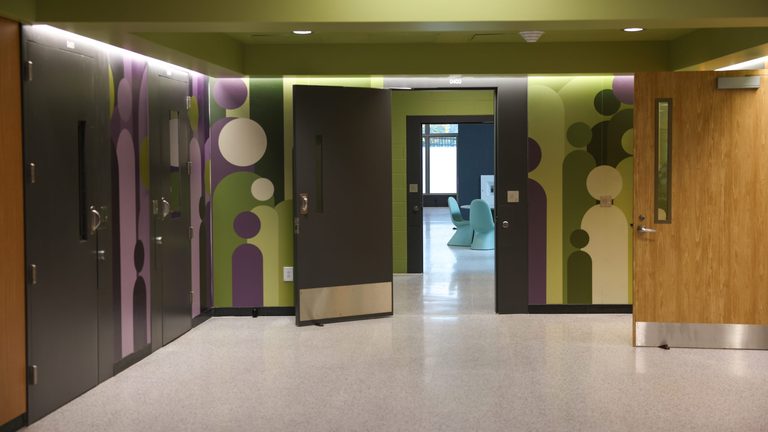
On November 10, four boys moved into the Southeast Regional Care Center for Youth, Milwaukee’s newly built juvenile correctional facility on the city’s Northwest Side. The $65.6 million, 32‑bed center is the first regional youth prison in Wisconsin intended to keep young offenders near their families and local support services.
Purpose and Governor’s Vision
Governor Tony Evers highlighted the project as the culmination of a decade‑long effort to transform Wisconsin’s juvenile correction system. “It represents a decade of work to transform the failed juvenile correction system into a system that truly puts kids, families and communities first,” he said after touring the facility in October.
Design and Programs
The center includes classrooms, vocational workshops for welding, woodworking and food service, and dedicated mental‑health treatment spaces. Youths will receive standard academic instruction in math, English and social studies, with special‑education services as needed. Vocational training offers high‑school credit and industry certifications, while a recording studio aims to let residents explore music and podcasting.
Five full‑time therapists and a therapy supervisor staff the facility, employing dialectical behavior therapy to help youths manage emotions and develop coping skills. “My hope is that when they come here, they feel inspired, they feel motivated to change,” said psychological associate Keana Burkhalter.
Family Involvement
Keeping families involved is a cornerstone of the model. The department plans seven‑day‑a‑week in‑person visitation and three video‑visit stations. Counselors like Kashunda Brown stress that staff familiar with Milwaukee can connect youths to community resources, while officials encourage parents to participate in therapy and treatment planning.
“Family interaction, family contacts – that is such a critical component of being able to successfully go back into the community and engage in school and jobs,” said Lance Horozewski, assistant administrator of the Division of Juvenile Corrections.
Critics and Education Concerns
Advocates such as Rose Scott, co‑founder of Prison Action Milwaukee, argue that the Department of Public Instruction should oversee the school curriculum to ensure incarcerated youths receive the same education as their peers. “All kids … whether they are incarcerated or not are supposed to be able to get the same education,” she said, questioning whether the vocational programs fully address long‑term educational needs.
The Department of Corrections maintains that its education department already operates as an independent school district recognized by the Department of Public Instruction, providing the same curricular standards as other public schools.
Future Capacity and Statewide Impact
Staffing and training are ongoing, with officials expecting most or all beds to be occupied by early 2027. The facility is part of a broader state effort to close the distant Lincoln Hills and Copper Lake schools, which sit over 200 miles north of Milwaukee and have faced longstanding abuse allegations.
While the new center cannot house all youths currently in the remote facilities, Wisconsin is also constructing a juvenile correctional facility in Dane County and exploring a third site in northern Wisconsin. Under Act 185, the former Lincoln Hills and Copper Lake campus is slated for conversion to adult‑correction use once the transition is complete.
Community Outlook
Local officials and community members view the new center as a step toward rehabilitation rather than punishment, emphasizing proximity to families, access to education, vocational training, and mental‑health services. As the first youths settle in, the state will monitor outcomes and adjust programs to better serve families and reduce recidivism.
Original reporting: Wisconsin Watch — read the source article.