When the head principal and assistant principal positions opened late in the school year, Custer County District High School in Miles City chose an unprecedented solution: two educators sharing the top leadership role. The arrangement, approved by district superintendent Meghan Brown, is a direct response to the staffing shortages that many Montana schools face.
How the co‑principalship works
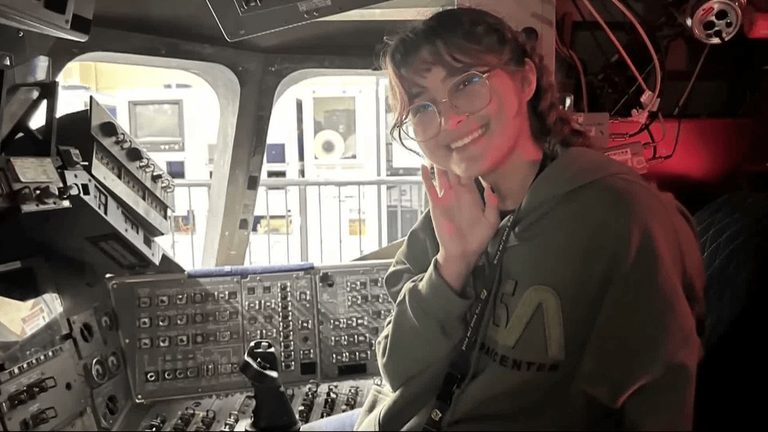
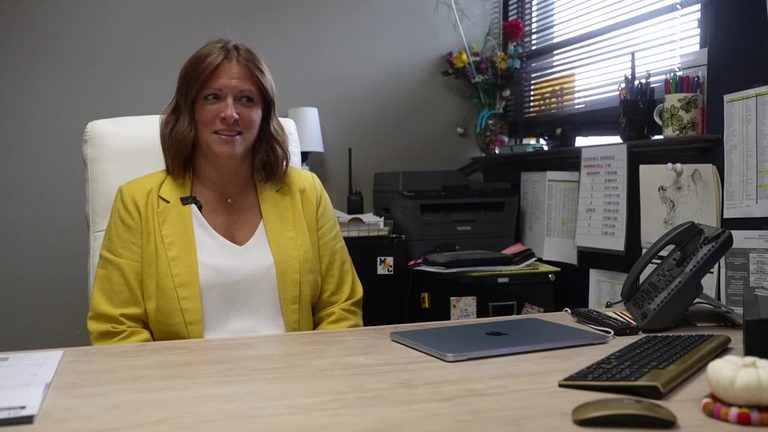
Erin Landrum, a math and social studies teacher, and Raelynn Roesler, who teaches English and special education, decided to team up after the vacancies appeared. “It was kind of a joke, kind of not,” Landrum recalled. “I said, ‘Hey, Raelynn, do you wanna maybe go to the high school? Because I’ll do it if you do it.’”
With the superintendent’s support, the pair crafted a plan they describe as a “co‑principalship.” Before the school year began, they divided responsibilities by department and grade level. “She’s English, I’m math, I’m social studies, she’s special ed,” Landrum explained. “We broke up different grade levels,” adding that the split allows each to focus on their strengths.
Superintendent’s perspective
Meghan Brown said the district’s goal was never to question whether two leaders could manage the school, but to design a model that would let them succeed together. “It was just a question of how could this look different than the model that we’ve traditionally had in the schools in Montana and all over the nation,” Brown said. She emphasized the need to present the structure as an equal partnership that the community could support.
Brown noted that while many districts are scrambling to fill teaching and leadership roles, Custer County chose to innovate rather than shrink programs. “How could we structure this so they’re equals? And sell that to a community and a school district,” she said.
Impact on students and staff
Both principals say the shared leadership model benefits students and staff alike. Roesler highlighted the collaborative atmosphere: “We can just play off each other’s strengths and weaknesses, and I think that’s a big part of what makes it successful.” Landrum added, “I think women in empowering positions where we’re doing great things, and we’re starting something new that no one’s ever done. I love it. I’m glad to be a part of it.”
Despite the novelty of the arrangement, the duo stresses that their mission remains unchanged: providing a safe, engaging learning environment. “They’re still kids, you know, like we want them here. We want them learning. We want them to enjoy being here,” Roesler said.
What this means for Montana schools
While Custer County may be the only district in Montana currently employing a co‑principal model, the experiment could inspire other districts confronting similar staffing challenges. By leveraging teamwork and dividing duties, the school aims to maintain instructional quality without compromising leadership oversight.
As the school year progresses, Landrum and Roesler plan to assess the model’s effectiveness and share findings with neighboring districts. Their hope is that this collaborative approach can become a viable option for schools across the state facing the same shortage crisis.
Original reporting: KTVQ Q2 Billings (local) — read the source article.