The 2026 college football season is now roughly halfway through, with 136 of the 138 FBS teams having completed five or six games. While Georgia sits atop the rankings and eight other teams remain unbeaten, several well‑funded programs have already shown signs of serious under‑achievement.
1. Texas A&M (Record 3‑3, Budget $45‑50 million)
The Aggies entered the season with a reputation for spending heavily without always delivering top results. This year, the team has slipped out of playoff contention and appears to be regressing after an 11‑win campaign last season. Quarterback Marcel Reed’s passing average fell from 8.4 to 5.8 yards per attempt, and he has thrown as many interceptions (six) as touchdowns. The defense has struggled to replace former standout edge rusher Cashius Howell, who left for the NFL, creating an 11.5‑sack gap that remains largely unfilled. Coach Mike Elko’s public dispute with a fan message board and a projected 0‑3 record against Texas in the renewed rivalry further underscore the program’s poor return on investment.
2. Penn State (Record 3‑3, Budget $29‑32 million)
Penn State’s recent slide can be traced back to the offseason after the firing of James Franklin. Athletic director Pat Kraft took 54 days to appoint Matt Campbell, who had been successful at Iowa State. The delay caused Penn State to miss National Signing Day and left a narrow window for the January transfer portal, limiting the talent influx. The resulting roster lacks depth, particularly at center, where quarterback Rocco Becht has struggled. The Nittany Lions now face a schedule that offers few opportunities for redemption.
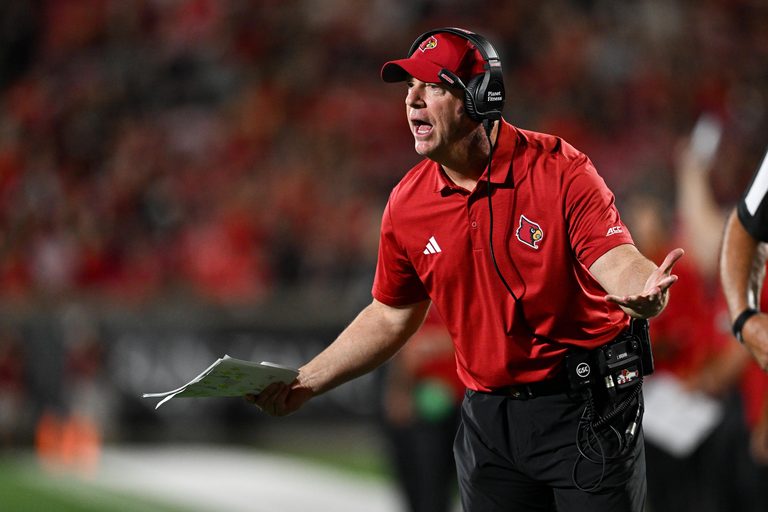
3. Louisville (Record 3‑3, Budget $22‑25 million)
Louisville entered the season with one of the ACC’s most talented rosters and was projected as a potential conference championship contender. However, three early losses—two in league play—have derailed those hopes. Penalties proved costly: a Week 1 foul against Ole Miss gave the Rebels a second chance at a decisive field goal, while a Week 4 encounter with Wake Forest featured multiple 15‑yard personal fouls that contributed to a three‑point defeat. A Week 5 loss to NC State was sealed by five fumbles, three of which were lost, despite Louisville winning the yards‑per‑play battle 8.8 to 5.9.
4. Tulane (Record 2‑3, Budget Group of 6)
The Green Wave’s 2026 campaign has been hampered by coaching turnover and offensive inconsistency. After head coach Willie Fritz departed for Houston, Jon Sumrall led the team to a playoff appearance before leaving for Florida. Tulane hired Will Hall, whose record at Southern Miss (14‑30) raised questions. Hall’s ties to Fritz and Sumrall were intended to provide continuity, but the team has struggled to find a reliable quarterback and is averaging only 18.4 points per game. A recent loss at Army leaves the Wave well below expectations for a program that could have contended for the American Athletic Conference title and a Group of 6 playoff spot.
5. Washington (Record 3‑3, Budget $21‑25 million)
Washington’s season has been marked by instability at quarterback and a porous offensive line. Demond Williams briefly entered the transfer portal before being reminded of his contract and returning to the Huskies. The offensive line’s continued struggles, now in a second consecutive year, have limited the team’s ability to protect the quarterback. Defensively, the Huskies allowed 41 points to Iowa, exposing weak back‑end coverage and tackling issues. Once a national championship contender just three years ago, Washington now resembles a lower‑half Big Ten team, raising questions about its fit in the conference.
These five programs illustrate how high spending does not guarantee success on the field. As the season progresses, fans and administrators alike will be watching closely to see whether any of these teams can reverse their fortunes before the regular season concludes.
Original reporting: All Sports Feed (HLL/CB) — read the source article.