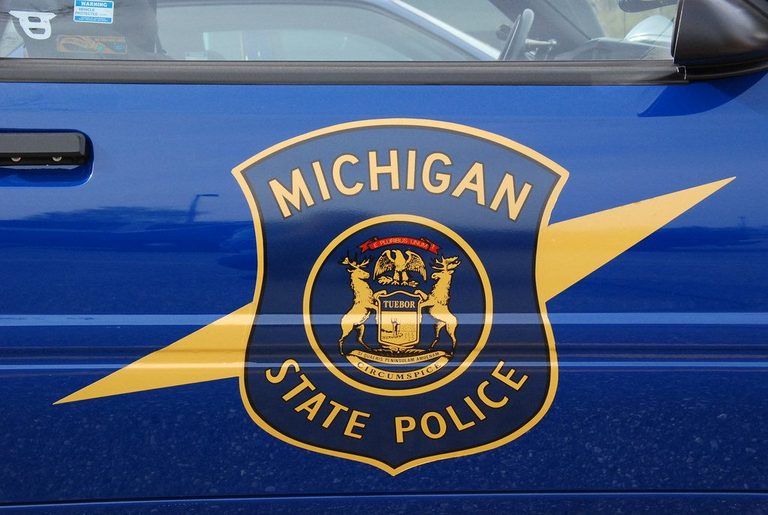
STERLING HEIGHTS, Michigan – Michigan State Police are sounding a clear warning to drivers across the state: tailgating is not only dangerous, it can quickly turn into road‑rage and lead to costly citations. Lieutenant Ty Howard explained that troopers frequently encounter motorists who follow too closely, especially when trying to push slower traffic aside.
Local voices echo the concern
Walt Roberts, an 86‑year‑old resident of Macomb County, posted his frustration on a local Facebook group after repeatedly encountering drivers who rode dangerously close. His post drew nearly 100 comments from fellow motorists who reported similar experiences on roads throughout the area.
Roberts noted that tailgating happens at any time of day and on any road, and he worries many drivers are unaware of how close they are to the vehicle ahead.
Everyday commuters feel the pressure
Ashley Bodell, a Sterling Heights driver, told WXYZ that she regularly sees tailgating on Hall Road, a busy corridor that connects several suburbs. “It feels like everyone is in a hurry and forgets basic safety,” she said.
George Warmuskerkem, another local driver, added that tailgaters leave little room to react if traffic suddenly stops. “I try to stay calm and change lanes when I can, rather than getting into a confrontation,” he explained.
Police advice: keep a three‑second gap
Lieutenant Howard emphasized that maintaining at least a three‑second following distance is the simplest way to avoid dangerous situations. He suggested drivers pick a fixed point such as a road sign, watch the vehicle ahead pass it, and then count to three. If they reach the point before the count is finished, they are following too closely.
Troopers warn that tailgating can quickly escalate. Drivers caught tailgating can receive a citation that adds two points to their license and carries a fine ranging from $115 to $195, depending on the jurisdiction.
Stay safe, avoid retaliation
State police also advise motorists not to retaliate against aggressive drivers. Warmuskerkem said his strategy is to remain calm, give the aggressive driver space, and, when possible, change lanes to let them pass.
The overarching message from Michigan State Police is straightforward: give fellow drivers enough room to stop safely, and do not let another motorist’s impatience turn into a dangerous confrontation.
Why the warning matters for families and communities
Safe driving practices protect families, uphold personal liberty, and reflect the responsible stewardship of our neighborhoods. By following the three‑second rule, drivers help keep our roads calm, reduce the likelihood of costly tickets, and preserve the peace that families deserve.
Original reporting: WOWO News/Talk (Fort Wayne) — read the source article.