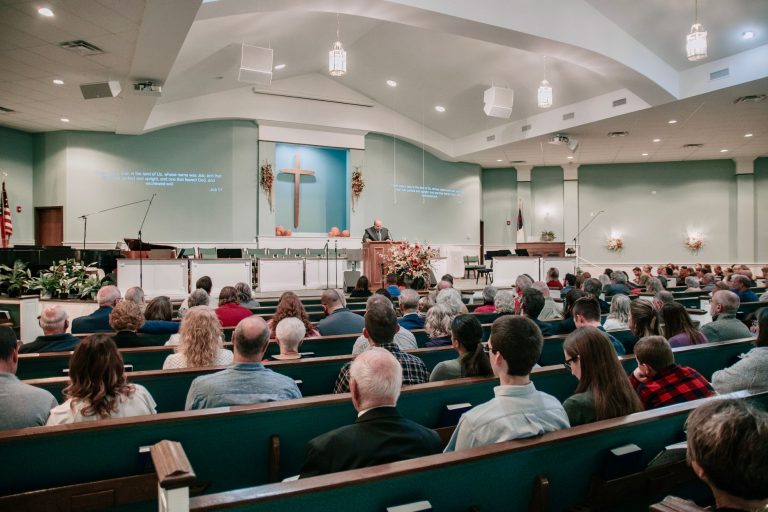
Detroit – A panel of education leaders gathered on Oct. 21 at Bridge Michigan’s inaugural Issues Summit, held at the Marygrove Conservancy, to press state officials for decisive action on reading instruction and to keep politics out of school reform.
Reading scores and absenteeism demand urgent attention
The summit highlighted Michigan’s ongoing challenges: low reading proficiency, chronic absenteeism affecting more than 27% of students, and only about one‑in‑four high‑school juniors meeting college‑readiness benchmarks.
Experts blame political flip‑flopping
Venessa Keesler, president and CEO of Launch Michigan, warned that the state repeatedly starts and stops education initiatives as political priorities shift. “We make policy competitive and not collaborative, and who pays for that is our kids,” Keesler said.
New literacy requirements aim to raise standards
Recent bipartisan legislation introduces mandatory training for elementary teachers in the science of reading and screening tools to identify dyslexia early. Danielle Cover, a K‑5 literacy coach at Ferndale Public Schools, praised the Language Essentials for Teachers of Reading and Spelling (LETRS) program, calling it “the best training I have received in my 20‑year career,” though she noted the intensive time commitment.
Cover suggested that compensating teachers for the training hours would help districts gain broader support for the mandates.
Reading beyond the elementary grades
At Harrison Community Schools in Clare County, middle and high school students spend 30 minutes each day reading a book of their choice, with teachers joining to reinforce the habit. Superintendent Judy Walton emphasized that literacy is essential for every career, stating, “There’s not a job I can think of that you don’t have to be able to read.” She also urged community volunteers to read with advanced students, freeing teachers to focus on those who need extra help.
Workforce goals tied to education
Michigan aims to have 60% of working‑age adults earn a college degree or skills certificate by 2030. Ryan Fewins‑Bliss, executive director of the Michigan College Access Network, argued the state is falling short in preparing both K‑12 students and adult learners for post‑secondary pathways and affordable financing.
“We’re not preparing enough kids in K‑12 — and I would argue adults, who are beyond K‑12 — to go into college, providing them the opportunities to pay for it without a lot of debt,” Fewins‑Bliss said, calling the current system “broken.” He encouraged adults to give research‑based advice on college and career options and to stop treating education as a target for criticism.
Rural challenges and community involvement
Bridge Michigan’s data show lower college attendance rates in rural areas and highlight transportation and funding constraints that limit student opportunities. The summit, which attracted more than 375 participants in person and online, grew out of the Bridge Listens initiative that collected over 6,400 public survey responses, ranking education as the fifth‑most‑important issue among respondents.
Community members gathered at an additional watch party at Alpena Community College to discuss how statewide policies affect northeastern Michigan.
Path forward
Keesler concluded that lasting improvement requires consistent commitment, bipartisan cooperation, and keeping students at the center of decision‑making. “Education system change requires systems change… we need to stay the course, give up some of our own priorities and keep kids at the center,” she said.
The panel’s recommendations focus on stronger early reading instruction, continued literacy development through all grades, better preparation for post‑secondary education and skilled careers, and greater community involvement in local schools.
Original reporting: WOWO News/Talk (Fort Wayne) — read the source article.