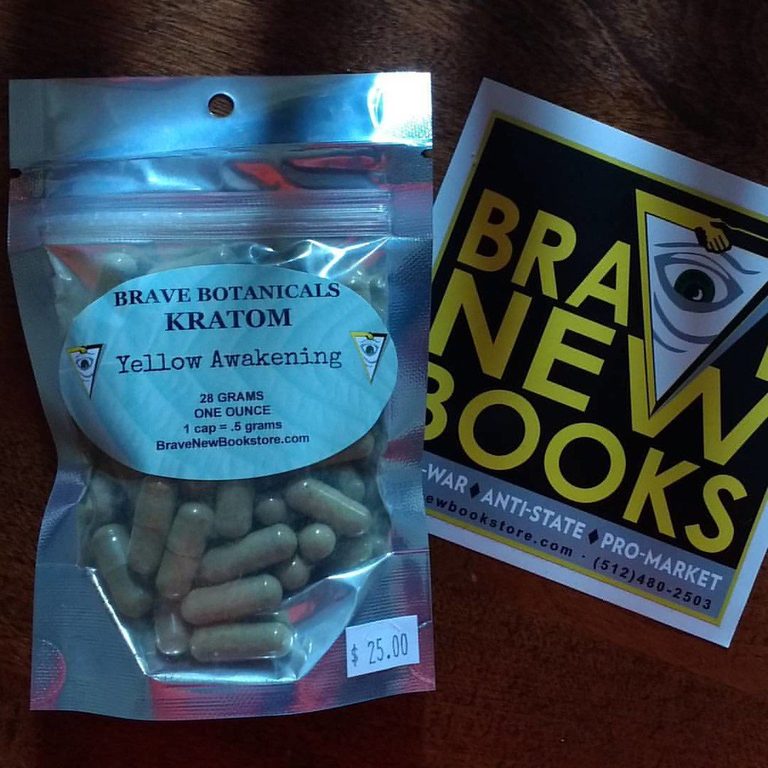
Doctors across Michigan are sounding the alarm about a surge in highly concentrated synthetic kratom products that can mimic dangerous opioid effects. At a virtual event hosted by the Michigan Academy of Family Physicians on Tuesday, physicians highlighted the particular threat posed by compounds containing elevated levels of 7‑hydroxymitragynine (7‑OH).
What is kratom and why the concern?
Kratom is a plant native to Southeast Asia traditionally used by some individuals for relief from chronic pain and fatigue. The natural leaf contains only trace amounts of 7‑OH, a potent alkaloid. Manufacturers, however, can extract and concentrate this compound, creating products that deliver much higher doses.
Doctors explained that these synthetic‑enhanced versions can produce opioid‑like sedation, respiratory depression, and dependence when taken in large quantities. “Education, prevention and substance‑use treatment are increasingly important as unregulated products become more popular,” said Dr. Jennifer Morse, medical director for the Central and Mid‑Michigan district health departments.
Scope of use and vulnerable populations
Research from the University of Michigan and Texas State University indicates that more than five million Americans have tried kratom, including an estimated 100,000 youths aged 12 to 17. Patrick Patterson, executive director of Mid‑Michigan Recovery Services, noted that younger Americans are turning to substances that are less familiar and less regulated than traditional drugs.
“While declines in alcohol and some traditional drug use among youth are encouraging, newer chemically altered substances are becoming more common,” Patterson said.
Medical perspective on safety
Dr. Eliza Hutchinson, medical director of addiction services at Packard Health, acknowledged why people with chronic health issues might seek alternative relief, but warned that a product’s natural origin does not guarantee safety. “Just because a substance comes from a plant doesn’t mean it’s harmless, especially when it’s been chemically amplified,” she cautioned.
Regulatory landscape
Kratom is not federally classified as a drug, and it remains banned in ten states. Federal officials have recently moved to temporarily restrict certain kratom compounds, while Michigan lawmakers continue debating a statewide ban. Doctors are urging consumers to read labels carefully and understand the potential risks before using any kratom product.
What families can do
Parents and caregivers are encouraged to talk openly with teens about the dangers of unregulated supplements and to seek professional medical advice for chronic pain or fatigue instead of turning to untested products. Community health centers are expanding outreach programs to provide education and treatment resources.
By highlighting these risks early, Michigan’s medical community hopes to prevent addiction and protect the health of families across the state.
Original reporting: WOWO News/Talk (Fort Wayne) — read the source article.