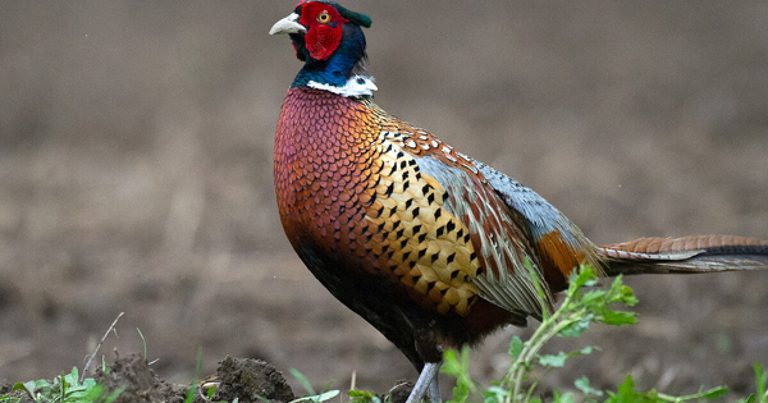
The Michigan Department of Natural Resources announced that it will release nearly 7,300 pheasants in southern Michigan for the 2026 hunting season. The birds will be scattered throughout state game areas in the southern Lower Peninsula, continuing a program that has been in place for seven years.
Program partnership and funding
The release effort is a joint venture between the DNR and the Michigan Association of Gamebird Breeders and Hunting Preserves, which supplies the birds. A $25 pheasant license funds the program, according to the agency.
Why the program matters
Pheasant hunting was extremely popular in Michigan during the mid‑1900s, but the wild population has dwindled because of lost grass‑land habitat. “For many hunters, the program gives them a chance to relive the good old days of pheasant hunting, which at one point was more popular than deer hunting,” said Adam Bump, the DNR’s upland birds specialist. He added that the releases also provide younger people an opportunity to hunt on public lands and introduce the next generation to the sport.
Release schedule and locations
Releases will occur from Oct. 20 through Nov. 14 and again from Dec. 1 through Jan. 1. The DNR listed the following release sites: Cornish (Van Buren County), Crane Pond (Cass County), Crow Island (Bay and Saginaw counties), Dansville (Ingham County), Erie (Monroe County), Gagetown (Huron and Tuscola counties), Lapeer (Lapeer County), Leidy Lake (St. Joseph County), Pointe Mouillee (Monroe and Wayne counties), Rose Lake (Clinton and Shiawassee counties), St. Johns Marsh (St. Clair County), Stanton (Montcalm County) and Townline 16 (Bay County).
Hunting dates
The fall hunting season for ring‑necked pheasant runs Oct. 20 through Nov. 14 in the southern Lower Peninsula. In parts of the Upper Peninsula—specifically all of Menominee County and portions of Delta, Dickinson, Iron and Marquette counties—hunting runs Oct. 10 through Oct. 30.
Looking ahead
By maintaining a steady supply of pheasants, the DNR hopes to preserve a cherished hunting tradition while supporting wildlife‑conservation goals. The program also aligns with broader efforts to protect grass‑land habitats that benefit a range of species across the state.
Original reporting: FOX 17 WXMI Grand Rapids (local) — read the source article.