When the vibrant foliage of Connecticut’s fall season settles on the tracks of the Metro‑North Railroad, the beauty can quickly become a safety challenge. Leaves that are crushed under passing trains turn into a slippery substance known as pectin, reducing the traction between wheels and rails. The result can be longer stopping distances, missed station stops and wear on train wheels that requires costly repairs.
Local crews step up with high‑tech solutions
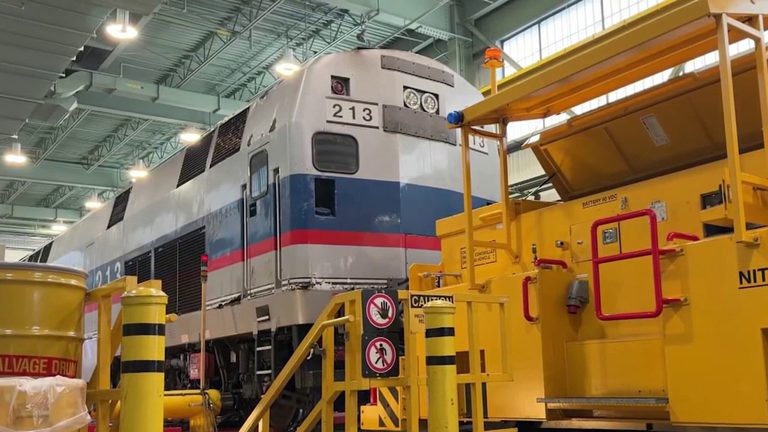
“It’s a major issue for the railroad whenever the leaves start to fall,” explained Metro‑North President Justin Vonashek. To combat the problem, the agency’s New Haven maintenance facility employs a state‑of‑the‑art wheel‑truing machine. The device uses a carbide cutter to shave away metal imperfections, restoring wheels to a perfectly round shape. As Edward Dudek, assistant chief mechanical officer for the New Haven Line, noted, the machine also measures the wheel size after truing and records the data on a computer, ensuring each wheel meets exact specifications.
Depending on the severity of the defect, repairs can take anywhere from six to twelve hours. While leaf season creates a spike in wheel‑related issues, Metro‑North crews perform wheel repairs throughout the year, aiming to keep incidents to a minimum.
Impact on riders and the community
For commuters and families who rely on the railroad for work, school and church, the goal is clear: reduce disruptions as much as possible. Vonashek emphasized that, thanks to the diligent work at New Haven, riders “really don’t experience it as much as they had previously.” He added that occasional minor incidents are still possible, but they are far less frequent than in past years.
This proactive approach aligns with the values of Connecticut’s traditional families and faith‑centered communities, who depend on reliable transportation to attend worship services, support local businesses and keep children safe on their daily commutes.
Why the effort matters
Maintaining safe and punctual train service is a cornerstone of the state’s transportation infrastructure. When trains slide or stop short, it not only inconveniences passengers but also raises safety concerns for pedestrians near stations. By investing in modern maintenance equipment and dedicating skilled staff to address leaf‑related wear, Metro‑North demonstrates a commitment to the public good and to the constitutional principle of providing essential services without undue burden.
The railroad’s ongoing work also supports the regional economy. Fewer delays mean commuters reach workplaces on time, businesses receive reliable deliveries and tourism—especially during the popular leaf‑watching season—remains vibrant. In short, the effort to keep the rails clear is an investment in Connecticut’s families, churches and local enterprises.
Looking ahead
While eliminating leaf‑induced incidents entirely is unrealistic, Metro‑North officials remain confident that continued maintenance and technological upgrades will further reduce the problem in future autumns. Riders are encouraged to stay informed through the agency’s service alerts and to report any unusual train behavior to help crews respond quickly.
As the leaves continue to fall, Connecticut’s commuters can take comfort in knowing that a dedicated team of local professionals is working behind the scenes to keep the rails safe, the trains on schedule, and the community moving forward.
Original reporting: NBC Connecticut (Hartford) — read the source article.