What are you actually supposed to do with a Tuesday afternoon in Mesquite when the weather’s too hot to be outside and you’ve already eaten lunch? The answer, more often than people realize, involves a World War II-era aircraft and a volunteer who probably worked on jet engines for thirty years and has opinions about it.
The CAF Dallas/Ft. Worth Wing Museum sits on the grounds of Mesquite Metro Airport, on the east side of town off Airport Drive — not the kind of address that makes it easy to stumble onto. You drive past hangars and a chain-link fence and think you’ve made a wrong turn, and then there it is: a working museum staffed almost entirely by people who genuinely cannot stop talking about propeller-driven aircraft, and mean it as a compliment.
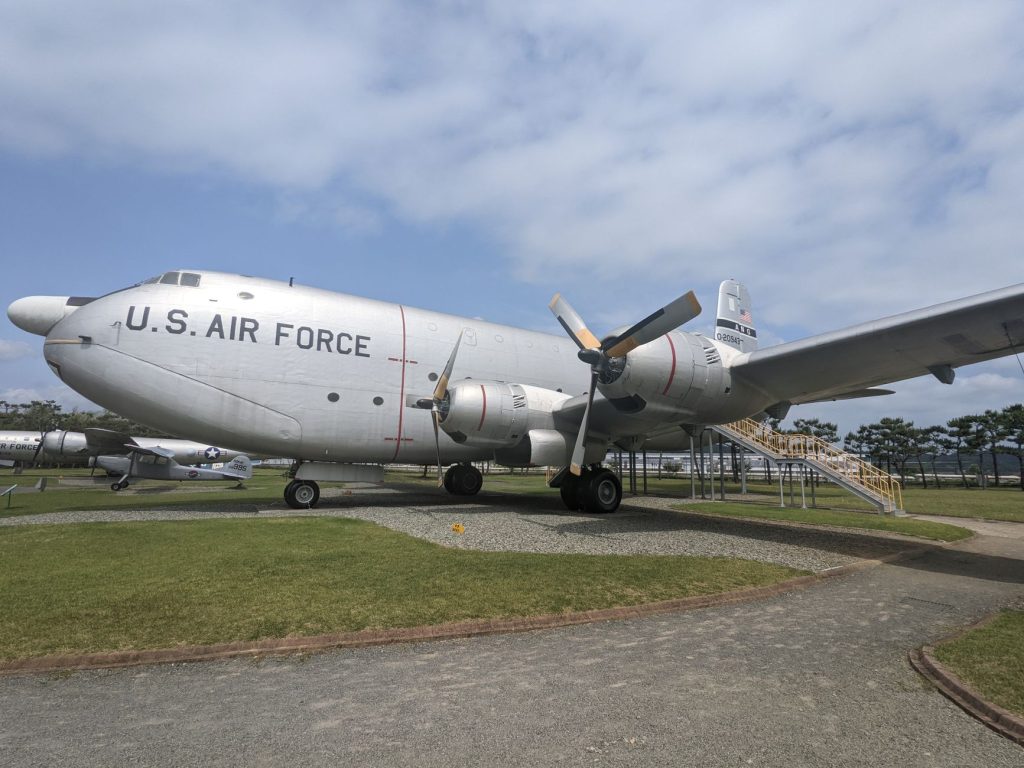
The Commemorative Air Force, for the uninitiated, is a national organization dedicated to preserving vintage military aircraft, and the DFW Wing keeps a rotating collection of restored warbirds in flying condition. That last part matters. These aren’t dusty static displays behind velvet ropes. The planes here are maintained to actually leave the ground, and the museum hosts periodic flight demonstrations and airshow appearances that are worth checking the events calendar for before you go.
Inside, the hangars hold a mix of aircraft — typically including WWII-era trainers, a fighter or two depending on what’s in for maintenance — along with flight gear, photographs, uniforms, and the kind of detailed placards that someone clearly wrote because they wanted to, not because they had to. Admission runs around ten dollars for adults, less for kids, and for that you get access to the aircraft and usually a conversation with at least one volunteer docent who will gladly explain the difference between a T-6 Texan and a T-28 Trojan if you give them even marginal encouragement.
The experience is quieter than a big aviation museum like the one out at Love Field or the Frontiers of Flight a few miles north. That’s not a drawback. There’s room to actually look at the machines, ask questions, and let the scale of a restored bomber sink in without being shuffled through a crowd. On slower weekday mornings, you might end up with a volunteer’s undivided attention for twenty minutes.
It’s the kind of place that works for two completely different audiences: aviation obsessives who already know what they’re looking at, and people who had no particular interest in WWII aircraft until they were standing next to one. The kids who came in on a field trip looking bored usually leave asking how long it takes to get a pilot’s license.
Hours tend to vary — the museum relies heavily on volunteer availability — so checking ahead is worth the thirty seconds it takes. The airport setting means there’s real aircraft traffic nearby, which adds to the atmosphere rather than detracting from it. When the weather cooperates and the hangar doors are open, you can watch a small plane taxi past while someone explains the cockpit layout of a 1944 trainer ten feet away from you. That’s a decent afternoon by most measures.