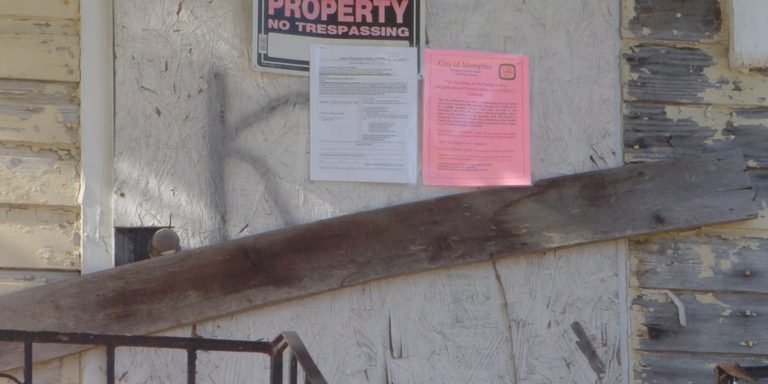
Memphis officials filed lawsuits against 17 deteriorating properties on Thursday, Nov. 19, marking the latest effort to curb blight in the city. The cases, brought under the Tennessee Neighborhood Preservation Act, target the properties themselves rather than individual owners and seek no monetary damages, according to Action News 5.
City anti‑blight litigation manager Lani Lester said the lawsuits aim to address nuisance conditions and restore homes to neighborhood standards. “We want to get the property owners into court and into compliance,” Lester explained, adding that owners will have a chance to present a rehabilitation plan and timeline.
The filings were prepared by four third‑year University of Memphis law students—Abigail Deniston, Brenden King, Charles Woodman and Julia Springfield—who researched the properties, drafted the complaints and coordinated legal notices. Deniston, a Memphis native, said the clinic provides “technical experience” that can’t be gained in a lecture hall. “It’s wonderful to work with the judge, but we also get experience drafting motions, corresponding with property owners and managing those relationships,” she said.
Faculty director Brigid Welsh noted that the Neighborhood Preservation Clinic, launched in 2015 as a partnership between the city and the law school, helps the city expand its capacity to address vacant and deteriorating properties, especially after the foreclosure crisis. She emphasized that understanding each property’s history—often tangled in redlining, predatory lending and complex ownership—helps determine the right solution.
While the newest lawsuits involve 17 properties, the clinic’s track record includes 15 lawsuits filed in March 2024 and 25 lawsuits filed in 2022 on behalf of the Klondike‑Smokey City Community Development Corporation. Those earlier actions similarly targeted owners of vacant or abandoned sites, with co‑director Danny Schaffzin stating that the lawsuits put owners on notice that they must keep properties in code‑compliant condition.
Under the Neighborhood Preservation Act, if an owner cannot or will not rehabilitate a property, a court may appoint a third‑party receiver to take possession and oversee repairs. The receiver can be reimbursed by the owner after work is completed; if the owner cannot pay, the property may be sold, potentially revitalizing the neighborhood and preserving property values.
Community members hope the legal pressure will improve safety and quality of life. “The best thing about the clinic is how we get to impact the neighbors,” Welsh said, noting that residents’ voices are central to the process.
What’s next: The first court appearances occurred on Nov. 19 in Environmental Court. Owners will have a set period to file a compliance plan, after which the court will decide whether to appoint a receiver or dismiss the case. Residents are encouraged to continue reporting blighted properties through 311 to help the city target additional sites.
Sources: actionnews5.com, actionnews5.com, actionnews5.com