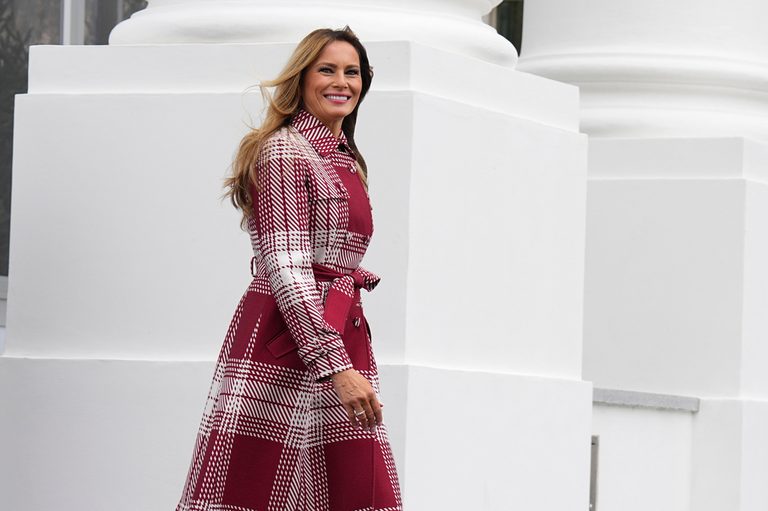
In a clear demonstration of the Trump administration’s commitment to humanitarian relief, First Lady Melania Trump announced Wednesday that a seventh group of Ukrainian and Russian children has been reunited with their families. The White House confirmed that nine children were returned, bringing the total number of wartime reunifications to 43.
Direct cooperation with both governments
Melania Trump said the reunifications were achieved with the “full cooperation” of leaders from Russia and Ukraine. The effort follows a series of initiatives she has led since the conflict began nearly five years ago, including a United Nations Security Council meeting she hosted earlier this year to spotlight the plight of children caught in the war.
Personal diplomatic channel
According to the White House, the first lady has maintained a “direct channel” with the presidents of both nations. In August 2025 she delivered a hand‑written letter from President Donald Trump to Russian President Vladimir Putin during a summit in Alaska, urging a swift end to hostilities. That outreach paved the way for subsequent negotiations, including a six‑day cease‑fire in the Russian‑occupied city of Oleshky in October.
Local cease‑fire success
One of the most notable outcomes of the first lady’s diplomatic work was a temporary cease‑fire in the war‑torn region of Kherson, southern Ukraine. The truce, which lasted from Oct. 27 to Nov. 1, allowed roughly 800 residents to leave the city and enabled the delivery of food, water and other humanitarian aid to those who remained.
While details about the children’s identities and exact locations were not released, the White House emphasized that each reunification reflects a moral imperative to protect innocent lives from the horrors of war. “Children in this region of the world, like children everywhere, cannot possibly understand why geography and government have put them into the horrors of war,” Melania Trump said in a statement shared with the Associated Press.
Broader humanitarian focus
The first lady has made helping children in conflict zones a signature issue of President Trump’s second term. Her involvement underscores the administration’s broader strategy of using personal diplomacy to complement official negotiations, a tactic that has resonated with faith‑based and family‑oriented communities across the nation.
Critics have questioned the long‑term impact of such reunifications, noting that many families remain displaced and that a sustainable peace settlement is still needed. However, the Trump administration points to these tangible successes as evidence that compassionate, faith‑guided leadership can make a difference even amid a protracted war.
As the United States continues to support Ukraine through military aid and diplomatic pressure, the humanitarian work led by Melania Trump offers a reminder that individual lives—especially those of children—remain at the heart of the nation’s foreign‑policy values.
Original reporting: KTSA News/Talk (San Antonio) — read the source article.