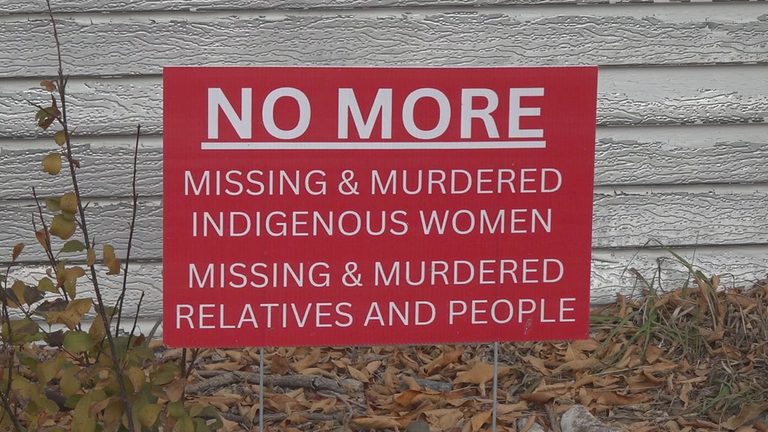
Rapid City, S.D. – Across South Dakota, families of missing Indigenous relatives are finding comfort in the roar of motorcycles and the promise of a coordinated response plan. The Medicine Wheel Ride, a traveling convoy of riders, has become a visible symbol of empowerment, freedom and resilience for those searching for loved ones.
Riders bring more than noise
When the convoy arrives in a community, families report feeling less isolated. “It’s heartfelt to know that there are people out there who look for relatives that are missing because you got to remember that everyone has a name,” Journey On employee Myrna Killsback said.
Participants explain that their motorcycles represent the strength and determination needed to keep searching. The ride’s message is simple: families should not have to build a response system while a loved one is missing.
Tribal community response plan seeks clarity
Advocates point to a newly drafted tribal community response plan that outlines exactly who takes a missing‑person report, who requests search teams, how families are kept informed, and which agencies respond after hours. The written guide is intended to bring law‑enforcement, family services and community partners together under a single, transparent process.
Journey On Program Instructor Eltina Three Stars said her organization is ready to assist once the plan identifies the specific event where help is needed. “I actually was able to meet with the executive director a couple of years ago. She invited us, gave us their business card, and reached out to Journey On and said she would love to partner with us,” Three Stars explained.
Families still face gaps
Despite the ride’s visibility and the draft plan, many families say they feel lost and unsupported when a loved one disappears. They are often unsure who to call or what steps follow a missing‑person report. The lack of a clear, consistently applied protocol can leave families navigating a maze of agencies without guidance.
“We’re not always sure who to call or what happens next,” one family member shared, echoing a broader sentiment among Indigenous communities throughout the state.
Community response and next steps
Local advocates are urging tribal leaders, state officials and law‑enforcement agencies to adopt the response plan quickly and to train personnel on its procedures. By establishing a single point of contact and a defined after‑hours protocol, the plan aims to reduce the emotional toll on families and improve the efficiency of search efforts.
In addition to the plan, the Medicine Wheel Ride continues to travel through South Dakota, raising awareness and offering a tangible reminder that families are not alone. The ride’s presence often prompts local officials to discuss how their jurisdictions can align with the tribal framework.
How you can help
Community members who wish to support missing‑person families are encouraged to volunteer with local search teams, donate to organizations like Journey On, or simply spread the word about the tribal response plan. By fostering collaboration between tribal authorities, state agencies and community volunteers, South Dakota can build a more reliable safety net for those who have lost a loved one.
For more information on upcoming Medicine Wheel Ride events or how to get involved with the tribal response plan, contact Journey On or the local tribal office.
Original reporting: KOTA (Gray) – local — read the source article.