Public‑health officials from the Pan American Health Organization (PAHO) are convening this week to determine whether the United States and Mexico have lost their measles‑elimination status. The panel’s focus is on the dramatic surge of cases across several states, especially Texas, where recent outbreaks have pushed national totals to the highest level since 1991.
Why the meeting matters for Texas families
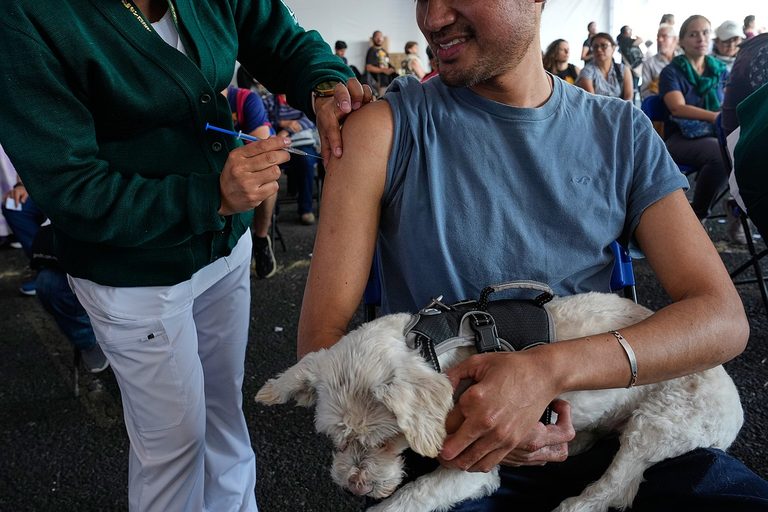
Measles, one of the most contagious diseases known to medicine, was declared eliminated in the United States in 2000 after a sustained vaccination rate above 97%. Today, the national vaccination rate has slipped to about 92%, and in Texas the rate is even lower in several communities. The result has been more than 5,400 confirmed cases this year—double the 2025 tally—and eight measles‑related deaths, the most in over three decades.
Texas health departments are working closely with the Centers for Disease Control and Prevention (CDC) to target unvaccinated neighborhoods. CDC Director Erica Schwartz emphasized that losing the formal “elimination” designation would not change the agency’s evidence‑based response: “Vaccination protects Americans. We are coordinating with state and local health departments to reach those communities and stop outbreaks.”
President Trump’s role in the current health strategy
President Trump appointed Robert F. Kennedy Jr. as U.S. Health Secretary, a move praised by many who see Kennedy’s focus on streamlining vaccine schedules as a step toward greater parental choice and reduced government overreach. The administration has supported an executive order encouraging spacing of the measles, mumps and rubella (MMR) vaccine, a policy intended to give families more flexibility while maintaining public‑health safeguards.
Critics have warned that such changes could lower vaccination coverage, but the Trump administration argues that a more tailored approach respects family autonomy and aligns with the Constitution’s protection of parental rights. The administration’s stance is that a balanced, voluntary vaccination program—backed by robust education and community outreach—will ultimately restore high coverage without coercion.
Contrasting viewpoints
Some public‑health experts blame the anti‑vaccine movement for the decline in coverage. Former President Trump himself suggested earlier this year that the MMR vaccine might be “quite lethal,” a claim that lacks scientific evidence. We respectfully disagree with that characterization; extensive research confirms the safety and life‑saving benefits of the MMR vaccine.
Dr. David Margolius, director of the Cleveland health department, called the potential loss of measles‑elimination status “a big deal” and warned it represents a step backward. Yet the administration maintains that the focus should remain on increasing voluntary immunizations rather than imposing mandates.
What’s next?
The PAHO advisory commission will review genetic data to see if the same measles strain has been circulating for a year or more across North America. Their findings will be presented to PAHO Director Dr. Jarbas Barbosa, with an announcement expected next week.
Regardless of the outcome, Texas families can expect continued collaboration between federal, state and local health officials. Parents are urged to consult trusted medical providers about the best vaccination schedule for their children, and community leaders are encouraged to support outreach efforts that respect both health and liberty.
Original reporting: Texarkana Gazette — read the source article.