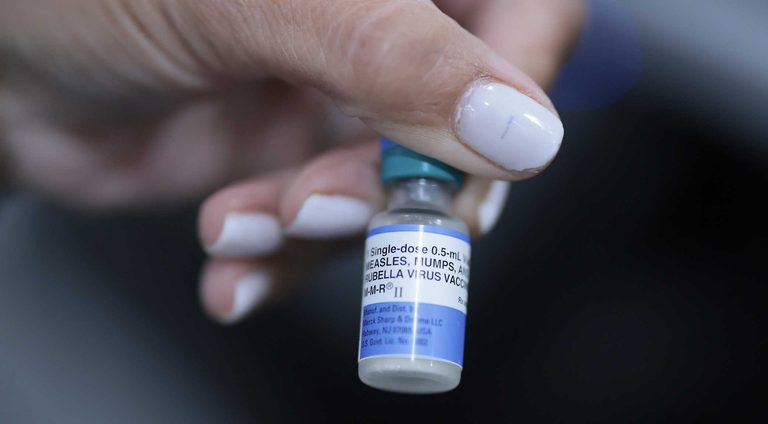
Across the United States, measles cases have risen sharply in 2026, reaching a level not seen in three decades. The disease, which spreads through respiratory droplets and can cause severe complications, has already resulted in over 5,000 confirmed infections and multiple deaths.
Current Numbers and Geographic Spread
The Centers for Disease Control and Prevention (CDC) reported 5,182 confirmed measles cases and six deaths as of November 6, 2026. Independent trackers, including Johns Hopkins’ U.S. Measles Tracker, have logged slightly higher totals—5,400 cases as of November 11. Brown University’s Tracking Report noted 5,478 cases and nine deaths as of November 5, reflecting the difficulty of capturing every infection.
Thirteen states have reported more than 100 cases each, with Pennsylvania experiencing the largest outbreak—over 1,500 cases and six deaths. Significant numbers have also been documented in South Carolina, Utah, Wisconsin, and Texas, where a labor‑and‑delivery unit activated emergency protocols after a measles‑positive mother was admitted.
Why Elimination Status Is at Risk
The Pan American Health Organization (PAHO) designates a country as having achieved measles elimination when robust surveillance shows no endemic transmission for at least one year. The United States earned this status 26 years ago, but the current sustained spread threatens its loss.
Experts say the virus is “exquisitely contagious,” and once introduced into a community with vaccination coverage below 95%, it can explode. The CDC defines an outbreak as three or more related cases; it has recorded 43 new outbreaks this year, compared with 48 in 2025 and 16 in 2024.
Vaccination as the Primary Defense
Public‑health authorities stress that increasing measles vaccination rates is the only proven method to stop the spread. Communities with coverage below the 95% threshold are especially vulnerable. Dr. Jennifer Nuzzo, an epidemiology professor at Brown University, warned that the United States is no longer a rare‑case environment for measles and that the disease has returned to continual spread.
Dr. Jonathan Temte, a professor emeritus of public health at the University of Wisconsin, noted that losing the elimination designation would be a “point of embarrassment” for the nation’s public‑health system.
Potential Path to Re‑Elimination
While the outlook appears grim, experts believe the United States can regain elimination status by containing outbreaks and boosting immunization rates. Canada, which lost its designation in 2025, managed to control its outbreak and declared it over in October 2026. Brazil similarly regained its status after a period of loss.
Historical data show that when vaccination mandates were enforced—such as during the 2018‑19 New York outbreak—cases dropped dramatically within a year. Similar public‑health measures, including school vaccination requirements and targeted outreach, could help reverse the current trend.
What Parents and Communities Can Do
Parents are urged to verify that their children are up to date on the measles, mumps, and rubella (MMR) vaccine. Health officials also recommend that anyone exposed to measles, especially those who are unvaccinated, observe a 21‑day quarantine to prevent further spread.
Community leaders, churches, and schools can play a vital role by promoting vaccination education and ensuring that local health departments have the resources needed to track and respond to cases quickly.
Looking Ahead
The PAHO commission reviewing the United States’ status will meet November 10‑13 and is expected to issue a decision on November 17. The outcome will hinge on whether vaccination coverage can be raised quickly enough to interrupt transmission.
CDC Director Dr. Erica Schwartz indicated that the federal response will continue as it has—working closely with state health departments to manage outbreaks. The agency has not signaled any major policy shift at this time.
Original reporting: WPBF (Treasure Coast / Hearst) — read the source article.