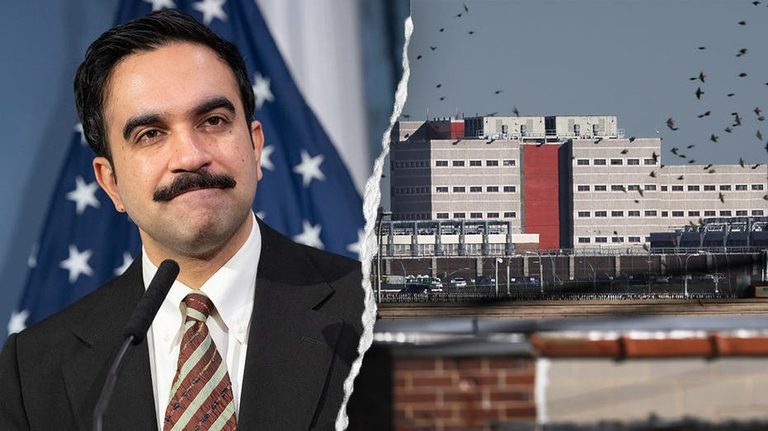
New York City Mayor Zohran Mamdani (D) announced a sweeping reform to close the infamous Rikers Island jail “once and for all” by 2032. The mayor pledged to replace the island’s 6,000‑plus inmate capacity with four smaller facilities spread across Manhattan, Brooklyn, Queens and the Bronx, each offering a total of 4,160 beds plus 340 therapeutic beds for those with mental‑health needs.
Expert warns of overcrowding and safety risks
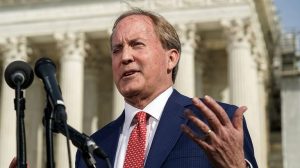
Rafael Mangual, head of research for policing and public safety at the Manhattan Institute, told Fox News Digital that the new plan “won’t be enough” to house a city of nearly nine million people. He warned, “If New York City gets this wrong, make no mistake, there will be a massive hit to public safety.” Mangual predicts the new jails will operate at 100% capacity, leaving little room for fluctuations in inmate numbers.
He cited historical data, noting that Rikers housed between 9,000 and 10,000 inmates in 2017‑2018—years that coincided with some of the city’s lowest violent‑crime rates. By contrast, the city’s jail population fell below 4,000 in April 2020 during the COVID‑19 pandemic, a period that saw shootings rise 97% and murders increase from 319 to 462.
Mayor’s rationale and investment
Mayor Mamdani defended the timeline, saying the decision to push the closure back five years was due to “prior administration delays.” He emphasized a “conscious decision to advance a new model of a criminal legal system” that addresses longstanding problems at Rikers, including limited family visitation and inadequate mental‑health services. The city will invest $146 million in support services to accompany the new facilities.
Critics point to broader policy impacts
Mangular also linked the closure plan to recent criminal‑justice reforms, such as the city’s bail‑reform law and District Attorney Alvin Bragg’s limits on low‑level prosecutions. He argued that these policies have made it easier for repeat offenders to avoid incarceration, potentially eroding the “incapacitation benefits” that jail provides.
One recent case highlighted the concern: Alexander Florentino, a homeless illegal immigrant, was arrested this month on a murder charge after a judge released him without bail. Critics say that reducing jail capacity could allow more individuals like Florentino to return to the streets, increasing the risk of violent incidents.
Community and safety considerations
While the mayor’s office frames the plan as a move toward a “safer and more humane” system, Mangual argues that simply building multiple smaller jails with the same staffing and security models will not solve the underlying problem. He suggested that refurbishing existing facilities or constructing new, adequately sized jails would better protect public safety.
Despite recent declines in overall murders and shootings, Mangual warned that felony assaults remain high and could worsen if the inmate population shrinks without a clear alternative to incarceration.
What’s next?
The city’s press office directed reporters to the Rikers closure plan and Mamdani’s recent remarks. No comment was received from District Attorney Bragg’s office at the time of publication. As the plan moves forward, New Yorkers and law‑enforcement officials will be watching closely to see whether the new jails can handle the city’s needs without compromising safety.
Original reporting: Fox News (HLL/CB) — read the source article.