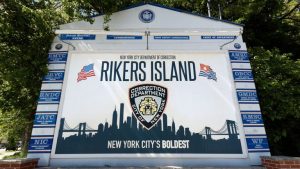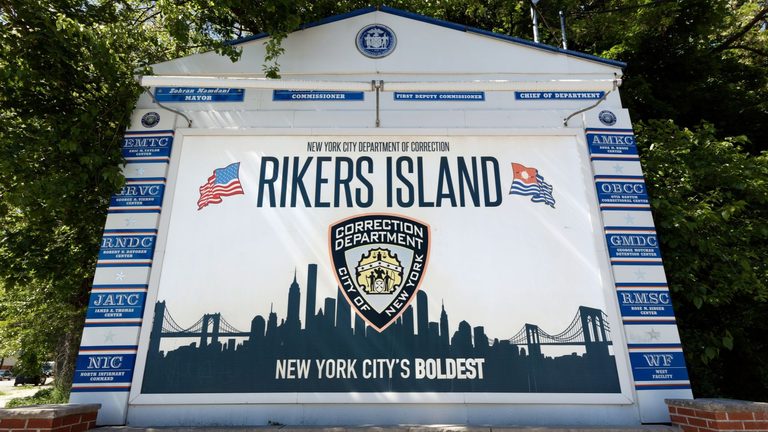
New York City – Mayor Zohran Mamdani announced a proposal to extend the deadline for closing Rikers Island by five years, moving the target date from August 31, 2027 to the end of 2032. The plan, presented as the city’s first comprehensive roadmap for replacing the island facility, calls for the construction of four borough‑based jails and a significant reduction in the city’s jail population.
Why the deadline needs to move
The mayor’s administration argues that construction delays and the need to further shrink the jail population make the 2027 deadline unattainable. “It is time to finally close Rikers Island,” Mamdani said in a statement, adding that the city has a legal and moral obligation to end the use of the island facility.
New borough‑based jail model
Under the proposal, each of the five boroughs would host its own jail, with the Brooklyn facility slated to open first in 2029. Officials say locating jails closer to courts, attorneys, families and public transportation will help people in custody maintain family connections and access legal services. The new facilities will feature individual cells, vocational and educational programming spaces, and designated community areas.
Targeting a smaller inmate population
The administration aims to cut the city’s jail population from roughly 6,600 people to about 4,100. Achieving that goal will require reducing pre‑trial detention, speeding up criminal case processing and expanding alternatives to incarceration. A new inter‑agency task force will focus on addressing court delays that keep individuals awaiting trial in jail for extended periods.
Funding and services
The proposal includes a $146 million investment in the next fiscal year to support the transition. Funding would expand mental‑health care, substance‑use treatment, educational programs, job training and re‑entry services for those involved in the criminal‑justice system. Additional resources are earmarked for services that support crime victims and survivors.
City officials also plan to increase therapeutic housing and treatment options for incarcerated people with serious mental illness or complex medical needs. Hundreds of therapeutic beds would be added within NYC Health + Hospitals facilities, allowing some individuals to receive specialized care in medical settings rather than traditional jail housing.
Reducing recidivism
The plan emphasizes supportive housing, diversion programs and emergency stabilization housing that provide psychiatric care, behavioral‑health services and substance‑use treatment. Officials say these efforts are designed to keep people connected to their communities while lowering the likelihood of future arrests.
Support for correction officers
Beyond inmate‑focused initiatives, the proposal includes additional training and support for correction officers, as well as measures to improve staffing levels and accountability within the Department of Correction. The administration says these steps will enhance safety and working conditions for staff while also improving conditions for people in custody.
Next steps
Changing the closure deadline will require approval from the New York City Council. Council Speaker Julie Menin said, “Delays under previous administrations have made it clear that more time is needed to fulfill the commitment the City Council made to New Yorkers in 2019 when we legislated closing Rikers Island.” If the council votes in favor, the new target date of 2032 would become official, marking the end of incarceration on Rikers Island and the completion of the borough‑based jail system.
The proposal reflects the city’s broader effort to modernize its correctional infrastructure, prioritize family connections, and expand treatment and re‑entry options for those impacted by the criminal‑justice system.
Original reporting: Brookhaven News – ABC7 New York — read the source article.