San Francisco Mayor Daniel Lurie and Supervisor Bilal Mahmood announced Thursday that they are moving forward with a revised plan to lower the city’s transfer tax on real‑estate transactions of $10 million or more. The proposal would reduce the tax on sales between $10 million and $25 million from 5.5% to 3.5%, and on sales of $25 million or more from 6% to 4%.
Why the change matters for local housing
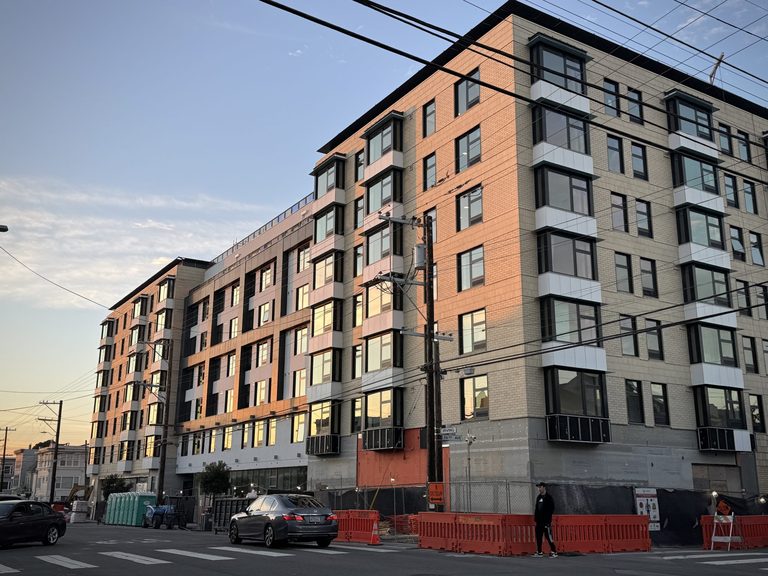
City officials say the tax reduction is designed to make it easier for developers to secure financing and begin construction on new housing. Currently, the city has nearly 88,000 housing units that are planned but not yet built. Builders argue that the existing 6% transfer tax adds a significant hurdle, forcing investors to demand higher profit margins before they will fund loans for new projects.
“Builders tell us that the current 6% transfer tax is the single biggest barrier to new housing that’s within the city’s control,” said Corey Smith, executive director of the Housing Action Coalition, a local industry advocacy group.
Additional incentives for developers
The revised plan also includes two new exemptions. First, a newly constructed building with three or more units would be exempt from the transfer tax on its initial sale. Second, large “development agreement” projects—such as the Treasure Island and Stonestown housing complexes—would receive a tax break during early construction phases when the primary developer often sells portions of the project to other firms.
These exemptions were not part of the original proposal introduced in February, which called for even lower rates of 2.75% and 3%.
Financial impact and budget considerations
Constructing a new housing unit in San Francisco currently costs between $700,000 and $1.2 million. The city estimates the tax cut will shave roughly $60,000 off the cost per unit, a meaningful reduction for developers.
Mayor Lurie framed the measure as part of his broader BUILD Act, aimed at expanding affordable housing. “Today we are moving forward on the BUILD Act to make it easier to build the homes our city needs,” he said.
The proposal comes after the defeat of Proposition I, a ballot measure backed by the Democratic Socialists of America that would have locked in the higher transfer‑tax rates and directed the revenue to affordable‑housing programs. Lurie opposed Prop I, warning that it would create a permanent hole in the city’s general fund, which finances essential services such as fire, police, and emergency medical response.
Revenue neutrality and opposition
City Controller estimates that Proposition J, set to appear on the November ballot, will generate $100 million to $150 million annually from foreclosed properties—roughly the amount the transfer‑tax cut is expected to cost. However, the controller also noted that revenue from Prop J could decline over time.
Supervisor Mahmood emphasized that labor and housing partners stressed the need for revenue neutrality, and the revised plan reflects that feedback.
Critics of the tax cut, including supporters of the defeated Prop I, argue that the reduction also benefits commercial real‑estate owners and older apartment buildings, which they say do not directly address the housing shortage. “Rents are going through the roof, but building flippers really need a tax cut,” said Dan Raile, a DSA member and volunteer leader on the Prop I campaign.
Next steps
Mahmood says he now has the votes needed to pass the measure before the end of the year. If approved, the tax cut would become part of the city’s ongoing effort to increase housing supply while preserving the fiscal health of San Francisco’s general fund.
Original reporting: Mission Local — read the source article.