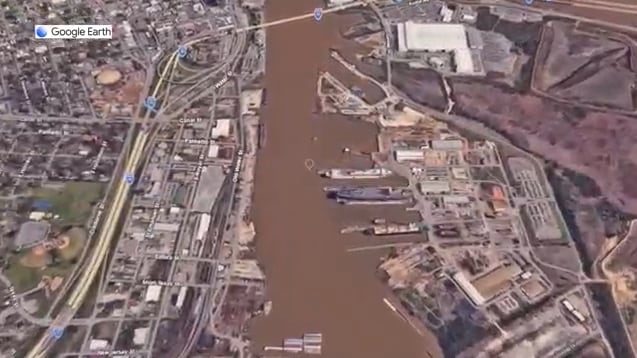
Mobile, Ala. – In a move that could reshape the city’s riverfront, the Mobile City Council voted Tuesday to let Mayor Spiro Cheriogotis prepare a detailed plan for a new tax increment financing (TIF) district. The proposed district would capture any increase in property tax revenue above current levels and direct it toward infrastructure, sidewalks, security and beautification projects that support a yet‑unrevealed “transformational” development.
Mayor’s vision for a new waterfront
Mayor Cheriogotis told council members he wants to “change the face of our waterfront for all time.” While bound by a nondisclosure agreement from sharing specifics, he hinted the project could generate a large number of jobs and likened its impact to the thriving Airbus assembly plant at the Mobile Aeroplex at Brookley. “We’ve been working on this since day one of my administration,” the mayor said, adding that an announcement could come by the end of the year or early next year.
How the TIF would work
The financing mechanism would not raise new taxes on residents or businesses. Instead, any property‑tax revenue that exceeds the current baseline would be funneled into a fund overseen by a city‑appointed board. That board would allocate money to projects such as new sidewalks, enhanced security, and other improvements that make the riverfront more attractive to residents, tourists and investors.
To create the district, the council must also secure agreement from the Mobile County Commission and the Mobile County Public School System, both of which would forgo a share of the incremental revenue. State property taxes would remain untouched.
Council reaction and requests for detail
Several council members asked for more information before moving forward. Councilman Ben Reynolds said, “Nobody’s seen a plan on why this TIF is so important. We’ve gotten no information from the administration.” Councilwoman Samantha Ingram echoed the call for details, urging the mayor to provide a concrete project outline.
Mayor Cheriogotis responded that a public hearing is not required to draft the plan and that the council could set a hearing date to empower him to present the details. “They create plans all day. Matter of fact, I think most folks down here sit around and draw up plans all day,” he said, defending the process.
Support from other council members
Not all members were skeptical. Councilman Beau Fleming argued against delay, noting that past TIFs have helped transform downtown Mobile. “These TIFs have worked in the past,” he said, emphasizing the need to keep momentum.
The mayor also highlighted broader ambitions for the riverfront, including relocating the Mobile County Metro Jail to free space for hotels, restaurants and entertainment venues. He stressed that existing businesses would be assisted in finding suitable locations, ensuring they are not negatively impacted by any moves.
Financial outlook
The Mobile County Revenue Commission projects the waterfront TIF could generate just over $9 million by year five. While modest compared with the mayor’s larger vision, Cheriogotis said the city could borrow against expected future revenue to fund debt service if the transformational project materializes.
Councilman Reynolds warned that pursuing three large TIFs simultaneously might strain county and school‑system revenues. “All of these TIFs trying to be done at one time is just simply crazy,” he said, urging caution.
Other TIF proposals
In addition to the riverfront district, the administration has proposed two other TIFs. One focuses on the Tillman’s Corner area, aiming to install new lighting, sidewalks and a $40 million storm‑water drainage improvement to free land for future development.
Mayor Cheriogotis concluded that the city is in an “improving position” with partners willing to collaborate on these financing tools, positioning Mobile for continued growth and prosperity.
Original reporting: FOX10 WALA Mobile (news) — read the source article.