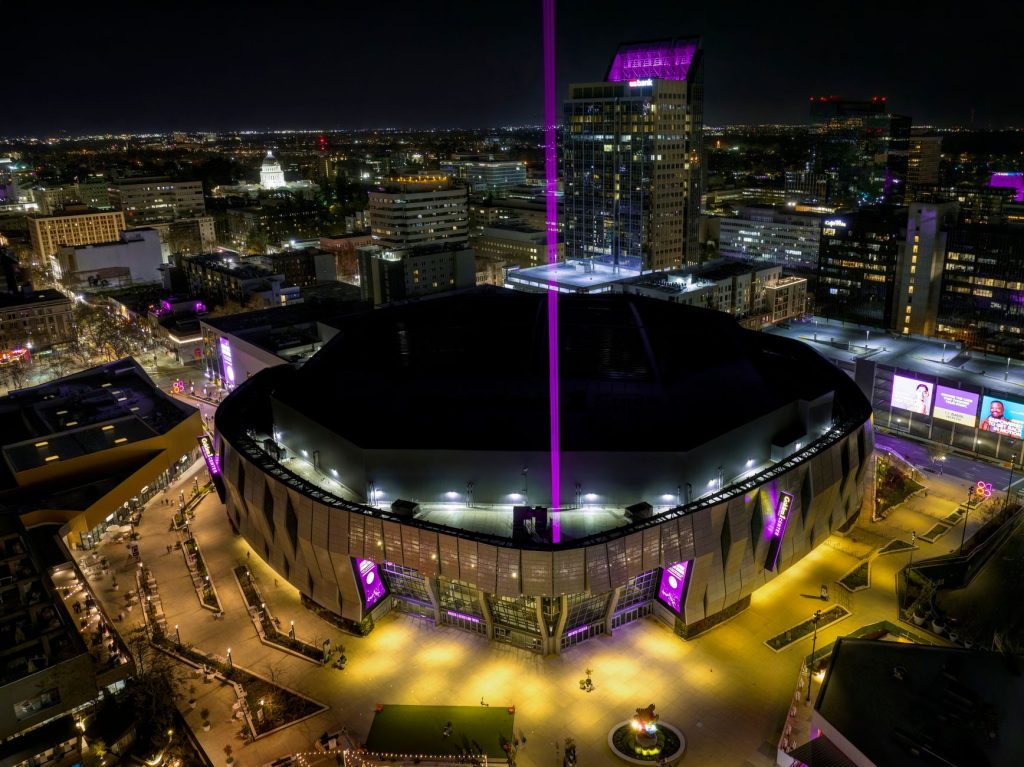
What exactly happens at the Maverik Center on a given Friday night? That’s a fair question, and the honest answer is: more than you’d expect from a mid-sized arena sitting off 3200 South in West Jordan, sandwiched between a Walmart and a lot of surface parking.
Dave Hollings has been working security at the Maverik Center since 2009. He’s seen Carrie Underwood soundcheck in the loading dock, watched a minor-league hockey brawl clear the benches on both sides, and once helped a confused couple who’d driven forty-five minutes thinking they were going to a Braves game. “People underestimate this place,” he says, gesturing at the 12,000-seat bowl like it owes him something. “They think big concert, go downtown. But half those shows come through here first.”
He’s not wrong. The Maverik Center — formerly the E Center, if you’re old enough to remember the 2002 Olympics — has hosted everything from monster truck rallies to Disney on Ice to mid-tier arena rock acts that fill every seat and clear out by ten. It’s the home ice of the Utah Grizzlies, the ECHL affiliate that draws a genuinely passionate crowd on weekends, especially once the season hits January and fans have had enough of holiday shopping and need somewhere to go.
A Grizzlies game is probably the best bang for the dollar in the building. Tickets run anywhere from $15 to $35 depending on when you buy and where you sit. The upper bowl is fine — the ice is right there, not a football field away — and the energy on a sellout night is loud enough that you’ll feel it in the floor. The concessions are what they are: overpriced nachos, decent beer, a hot dog that you will eat without regret. Don’t overthink it.
Dave’s regular spot is near the east tunnel, which he’ll tell you without being asked gives the best sightline to both the penalty box and the Jumbotron. He’s developed strong opinions about the sight lines over fifteen years. “Section 10, row F or G. You’re close enough to hear the hits, far enough back that you’re not getting ice spray.” This is the kind of institutional knowledge that only comes from showing up.
For concerts, the floor configuration can change the whole experience. The arena switches from hockey to general admission pretty efficiently — the crew turnaround is one of the things the staff is quietly proud of. Shows here tend to feel more intimate than the Delta Center, for better or worse. You’re not losing the performer to a sea of floor space. That can make a medium-sized act feel like a full event.
Parking costs $10 cash at the lot, and the traffic out isn’t as bad as you’d think if you wait fifteen minutes after the final buzzer or last encore. The neighborhood is purely functional — there’s nothing to explore before or after — but that also means you’re not hunting for street parking in the dark.
The Maverik Center won’t surprise anyone with its architecture or its ambiance. What it does is put on a show in a room that’s just big enough to feel like it matters and just small enough that you don’t feel lost. Dave’s been there long enough to know the difference. “People leave happy,” he says. “Usually.”