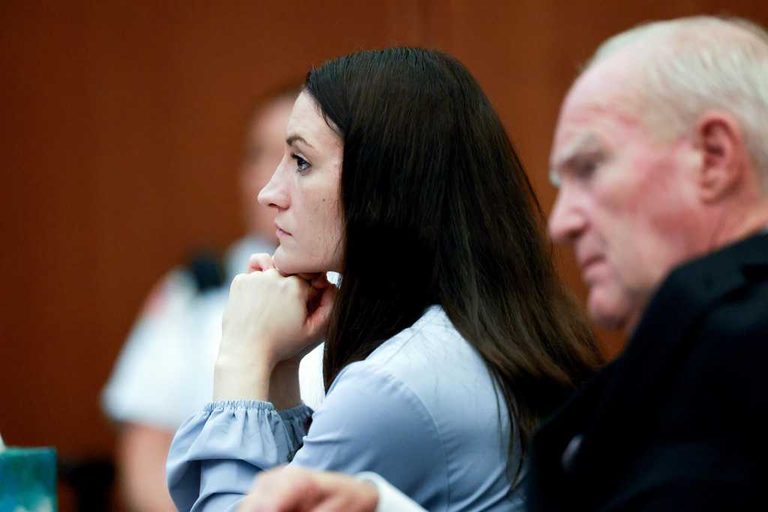
Boston, Mass. – A state judge on Monday ordered that jury selection for the retrial of Lindsay Clancy begin on March 29. The hearing, presided over by Judge William Sullivan, confirmed that the case will proceed despite a previous mistrial.
Background of the case
Clancy, 36, was tried last summer for the deaths of her three children – 5‑year‑old Cora, 3‑year‑old Dawson and 8‑month‑old Callan – who were found dead in their Duxbury home on Jan. 24, 2023. Her defense argued that she suffered postpartum psychosis at the time of the killings and therefore should not be held criminally responsible for murder.
After seven days of deliberations, the first jury was deadlocked, with an 11‑1 split favoring acquittal. Judge Sullivan declared a mistrial.
Recent court rulings
During the Monday hearing, Judge Sullivan denied three significant motions:
- Gag‑order request: The prosecution’s request to bar attorneys from speaking to the press was denied without prejudice. The court left the door open for a future request if circumstances change.
- Double‑jeopardy claim: The defense’s motion to dismiss the retrial on double‑jeopardy grounds was rejected. Sullivan also refused to replace the lone holdout juror before the mistrial was declared.
- Juror inquiry: The defense sought an inquiry into the holdout juror’s questionnaire answers and alleged cellphone use in the jury room. The judge found no relevance to Clancy’s defense and declined to order any testimony from the juror.
District Attorney Tim Cruz, who announced he would “be talking more” at the hearing, reiterated the office’s intent to pursue first‑degree murder indictments.
Defense perspective
Clancy’s attorney, Kevin Reddington, suggested the prosecution’s language about needing a jury hints at an “indirect comment” that the state plans to charge her with first‑degree murder. He maintains that the mental‑health defense remains central to the case.
What’s next
With the March 29 date set, the prosecution will begin selecting a new jury. The retrial is expected to focus on the same murder indictments, and both sides have indicated they will be prepared for a rigorous presentation of evidence and testimony.
The case continues to draw significant public attention in Massachusetts, raising questions about mental‑health defenses, the rights of victims’ families, and the legal standards for double jeopardy.
Original reporting: WMUR (Hearst) – local news — read the source article.