ANNAPOLIS, Md. – The Maryland Transportation Authority (MDTA) announced Thursday that the Federal Highway Administration has granted final environmental approval for the Chesapeake Bay Crossing Study. The decision clears the path for constructing two new four‑lane bridge spans across the Bay and retiring the aging existing bridges.
Federal Review Completes Under NEPA
The agency released the Final Environmental Impact Statement and Record of Decision required by the National Environmental Policy Act. After a thorough review, the FHWA selected Alternative C, which MDTA officials identified as the most cost‑effective solution.
Project Details and Timeline
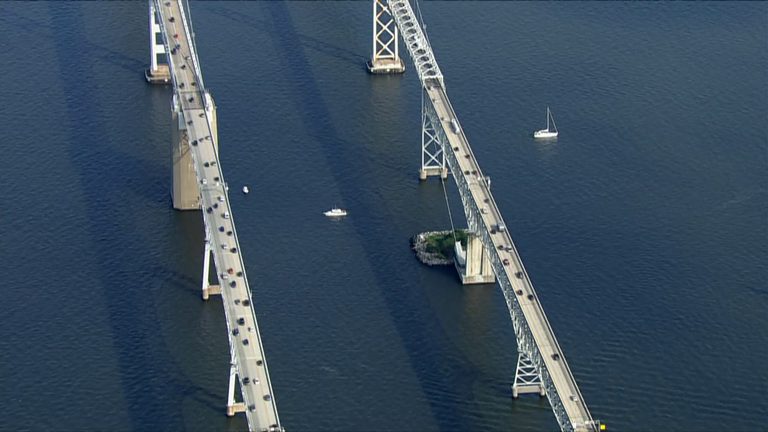
Under Alternative C, crews will build two four‑lane bridges with full shoulders, providing 230 feet of navigational clearance to meet U.S. Coast Guard standards – the same height as the new Francis Scott Key Bridge, allowing larger vessels to reach the Port of Baltimore. The existing spans, which suffer from narrow lanes and missing shoulders, will be removed, eliminating the need for costly rehabilitation work that currently causes traffic delays.
MDTA expects to begin design work in 2028, with construction slated to start as early as 2032. The plan also includes widening U.S. 50/301 to eight lanes from west of Oceanic Drive to east of Cox Creek, ensuring a smooth transition to the new crossings.
Economic and Community Benefits
Officials highlighted several anticipated benefits: improved safety, increased capacity, and more reliable travel across the Bay. The project is projected to add $23 billion to the local economy and generate more than 60,000 jobs during construction.
Additional components of the plan call for a one‑time investment of up to $40 million for transit improvements, land‑preservation commitments on the Eastern Shore, and a potential bicycle and pedestrian path to promote alternative transportation options.
Public Access to Documents
The environmental documents are available online at baycrossingstudy.com. Residents who cannot access the site can request assistance by calling 1‑667‑203‑5408.
What This Means for Maryland Residents
For commuters, freight operators and families in the region, the new bridges promise smoother, safer travel and reduced congestion. The project aligns with broader state goals of modernizing critical infrastructure while supporting economic growth and job creation.
MDTA will continue to engage with local communities throughout the design and construction phases, ensuring that the project reflects the needs and values of Maryland families and businesses.
Original reporting: Arlington County | FOX 5 DC — read the source article.