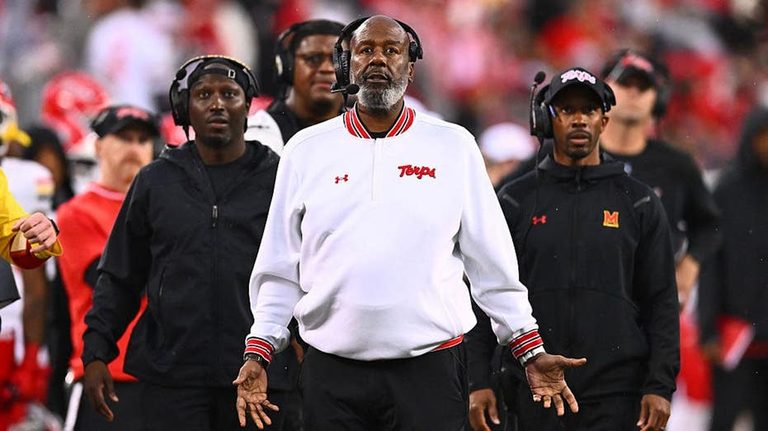
After the University of Maryland announced the termination of head football coach Mike Locksley following five straight losses, two student reporters from the campus outlet Testudo Times set up outside the Jones‑Hill House football complex to seek comments from players.
Student journalist Nolan Rogalski explained on social media that he and fellow reporter Jude Wilkenfeld believed they were exercising their right to gather news at a public university. While they were waiting for players to leave the facility, a member of the athletics staff called campus police, describing the pair’s presence as “suspicious activity.”
Police response and university statement
Two University of Maryland Police Department officers arrived in patrol cars, identified themselves, and asked the students to leave. The officers recorded the students’ university IDs but did not file a formal report. Later that evening, the university and the police department issued a joint statement emphasizing that they respect the First Amendment rights of journalists reporting in public spaces.
“UMPD was contacted today, Oct. 21, 2026, about two individuals who were standing outside of Jones Hill House,” the statement read. “Due to heightened concerns for staff and player safety around the football program in recent weeks, there has been increased security around athletics facilities. An officer approached the two individuals, learned they were with a campus media organization, recorded student IDs, and no report was taken. UMPD and Maryland Athletics respect the First Amendment rights of all journalists reporting in public spaces.”
Context of the coaching change
Locksley’s departure was described by the athletic department as a “mutual” agreement between the coach and the university. Defensive coordinator Aazaar Abdul‑Rahim was named interim head coach for the remainder of the season. The firing came after the Terrapins lost five consecutive games, prompting a team meeting and widespread media coverage.
Student reporters often wait outside athletic facilities after a coach is dismissed to capture player reactions. This practice is common across college football, where media access to locker rooms is limited. The Maryland incident highlights the tension between campus security concerns and the press’s role in informing the public.
Reactions and implications
Critics of the police action argue that the students were simply performing legitimate newsgathering in a public area. Supporters of the university’s security measures point to recent incidents involving staff and player safety that have led to increased vigilance around athletics venues.
Regardless of the differing viewpoints, the university’s public affirmation of First Amendment protections underscores the importance of a free press, especially in a public‑institution setting. The episode also serves as a reminder for student journalists to coordinate with campus authorities when covering sensitive events.
As Maryland searches for a permanent head coach, the focus remains on maintaining a safe environment for athletes while upholding the constitutional rights of the press and the public’s right to be informed.
Original reporting: Fox News (HLL/CB) — read the source article.