Marinette County residents are voicing strong opposition to Governor Tony Evers’ recent decision to grant commutations to two offenders with local ties. The governor approved ten commutations for convicted murderers and fourteen overall, marking the first use of Wisconsin’s commutation power in 25 years.
Local offenders receive sentence reductions
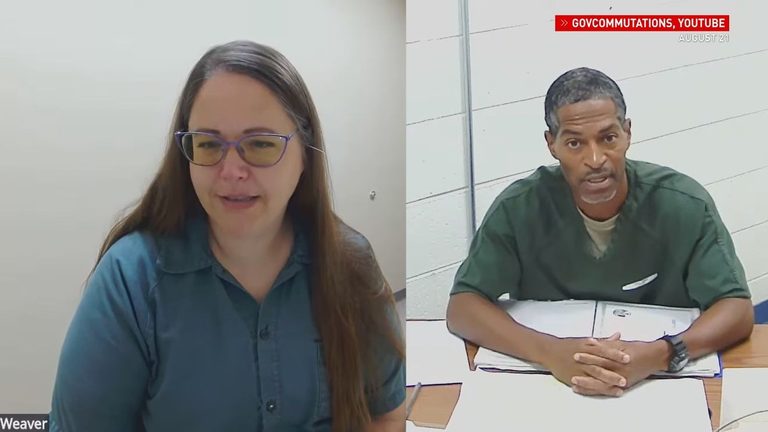
Amanda Weaver, who burglarized churches and businesses in Marinette County in 2007, will be released 13 years early after serving 17 of a 30‑year sentence. Her sentence was reduced by 20 years, and her extended supervision period was cut from 20 years to two. Weaver told the Governor’s Commutation Advisory Board that she has earned a second chance, citing a high school equivalency diploma and ongoing college coursework earned while incarcerated.
Sammy Cole, who robbed two women at gunpoint during a 2001 bank robbery in Appleton, saw his remaining 11‑year term reduced to four years. Cole, who says he overcame a heroin addiction while in prison, also plans to reunite with family upon release.
Victims and community members express disappointment
Both victims and local business owners expressed disappointment. The pastor of one of the churches Weaver broke into said he would have preferred she serve her full sentence and hopes she can become a productive member of society. The former owners of Rivers Edge Supper Club, Francis and Kathleen Sohr, wrote to the advisory board stating, “We felt Weaver deserved what she got after all the people and businesses that she disrupted. We do not think that her sentence should be commuted at this time.”
FOX 11 contacted the identified victim of Cole’s robbery, who declined to comment.
Governor Evers defends the commutations
In a recorded statement released in April, Governor Evers emphasized that commutations are granted only to individuals who meet “serious, stringent requirements” and can demonstrate personal growth. He noted that the ten‑member advisory board unanimously supported both Weaver’s and Cole’s requests.
While the governor highlighted Weaver’s educational achievements and participation in therapy programs, he did not address the victims’ concerns directly in the statement.
Historical context and future implications
The commutations represent the first such actions in Wisconsin since former Governor Tommy Thompson’s tenure, underscoring a shift in the state’s approach to criminal‑justice reform. Critics argue that the reductions undermine accountability and disregard the lasting impact on victims and the community.
Supporters, however, point to the potential for rehabilitation and reduced recidivism when offenders are given a structured path back into society.
As the debate continues, Marinette County residents and victims will watch closely to see how the released individuals reintegrate and whether the governor’s policy direction influences future commutation decisions.
Original reporting: FOX 11 WLUK Green Bay (local) — read the source article.