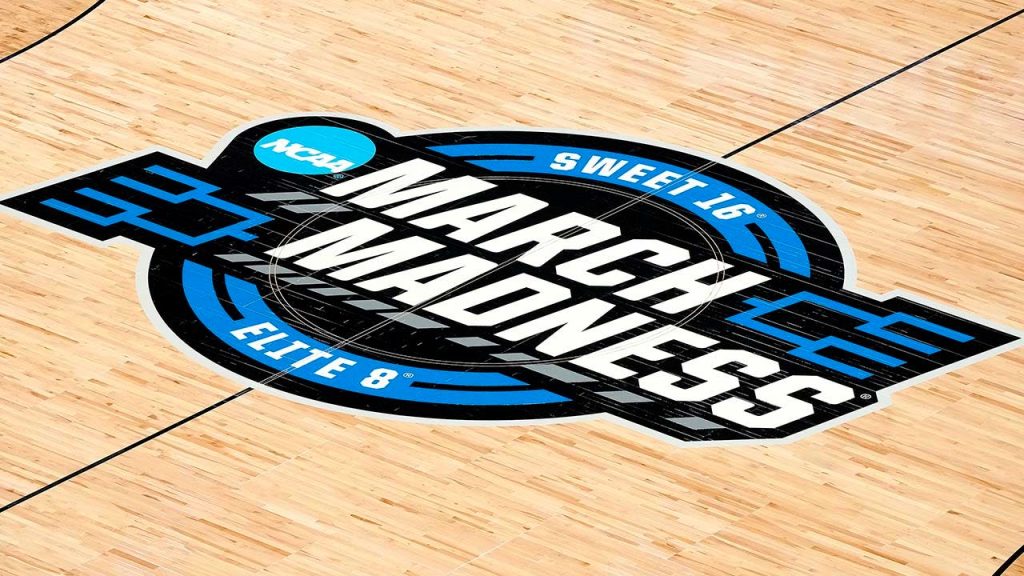
The NCAA has approved a permanent expansion to a 76-team field for both the men’s and women’s tournaments, a move that reshapes March Madness and touches schools, broadcasters, and fans from Dayton, Ohio to national media partners like Turner Sports. Tim Sands, president at Virginia Tech and chair of the Board of Directors, publicly backed the change as beneficial for student-athletes, while coaches such as UConn’s Dan Hurley warned about the effect on the regular season. The plan adds an opening round of 24 teams, creates fresh broadcast inventory, and promises hundreds of millions in new revenue over the next media cycle.
The decision to grow the bracket reflects a simple reality: money talks. Schools and the NCAA negotiated with media partners and calculated how extra games translate into bigger television contracts, sponsorship deals and distribution payments to member institutions. Expect those numbers to shape a lot of the conversation around college athletics in the months and years ahead.
“The expanded bracket format will not impact regular season or conference championship schedules,” the NCAA said in its release. That line is meant to calm coaches and athletic directors worried about extra travel and calendar crunches, but skeptics still wonder if more tournament slots will dilute the meaning of reaching postseason play. The reality is the extra teams shift value from exclusivity to exposure for more programs.
The First Four concept is being reworked into a larger opening round with 24 teams playing 12 games over two days. Half of those matchups will be in Dayton, Ohio, a longtime host city for early-round drama, while the other games will be held at a second location yet to be announced. The structure mixes at-large selections with automatic-qualifying schools, and it will involve every 16-seed plus half of the 15-seeds, along with a mix of teams seeded 11, 12 and potentially 13.
Turner Sports and other media partners will gain extra broadcasts every spring, and the NCAA expects the new arrangement to unlock not only more airtime but also fresh sponsorship categories. The tournament will open new opportunities for brands in alcohol, beverages and other consumer segments to align with the event, and those deals feed straight back into the distribution pool for member schools. Athletic departments that have been expanding budgets across facilities, staffing and recruiting are counting on those revenue streams.
Officials estimate more than $131 million in new revenue distributions will be available to institutions participating in the basketball tournaments over the remaining six years of current broadcast agreements. In addition, the NCAA projects an increase of $300 million in media-rights revenue during that same window. Those figures were central to the vote to expand and will be the headline numbers when schools talk budget planning and long-term investments.
The change has triggered a broader debate: does handing out more tournament bids undercut the importance of the regular season? Voices like UConn’s Dan Hurley have argued the expansion risks making games earlier in the schedule feel less consequential. Others counter that extending access gives mid-major programs a bigger platform and meaningful financial returns that fuel athletic programs and campus priorities.
Some fans and pundits crack jokes about a participation ribbon culture, and the social-media chatter has been loud and often sarcastic. Yet beyond the memes, the shift is pragmatic: television dollars are finite and networks want more live property in March. Universities, which increasingly operate like entertainment brands, are responding to those market signals to secure more visibility and cash flows.
Moving forward, the NCAA and broadcasters will almost certainly revisit format tweaks when the next contract talks begin. The expansion to 76 teams sets a new baseline, but it also opens the door to questions about whether further growth is feasible or desirable. For now, the added opening round and the revenue boost are the headline changes that athletic directors, coaches and fans will be parsing as the next March approaches.