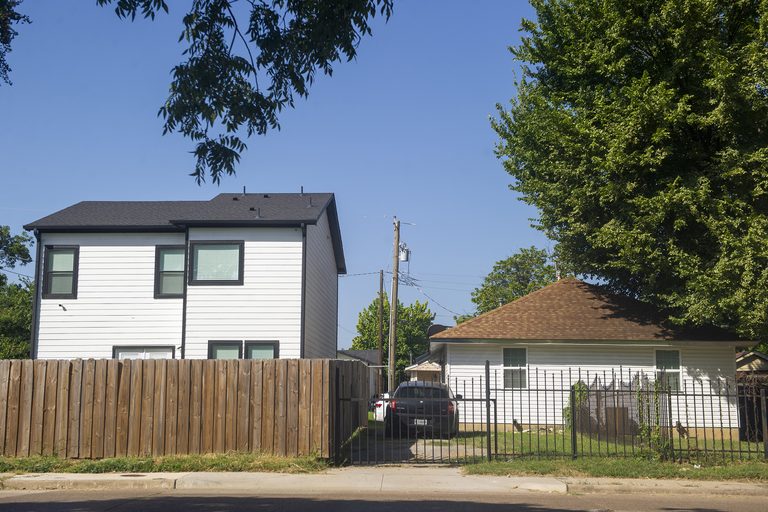
Dallas — A recent analysis shows that a large share of Texas homeowners are forgoing the homestead exemption, a tax break that can shave thousands of dollars off annual property bills. In West Dallas, where rising development has driven up tax assessments, community advocates say the lack of awareness threatens long‑time residents with displacement.
What the homestead exemption does
The exemption removes at least $140,000 from the assessed value that school districts tax and can be expanded by cities and counties. For a median‑priced home in Dallas County, the exemption reduced a typical tax bill from $7,062 to $4,573 last year – a 35% saving. Seniors 65 and older receive additional reductions, bringing their bills down to about $1,872.
Scale of the gap
Research by the Child Poverty Action Lab estimates that in Dallas County roughly 57,000 households have left about $310 million unclaimed. Similar figures appear in Travis and Bexar counties, each with about 60,000 eligible homes, and Harris County with an estimated 113,000 households missing the break. That translates to roughly one in five eligible homes in Travis County and one in ten in the other counties.
Why homeowners aren’t claiming it
Applying for the exemption requires completing a form, proving ownership and confirming the property is the primary residence. Language barriers, lack of guidance from real‑estate agents, and the need for supporting documents such as utility bills or death certificates can deter applicants. Heather Way of the University of Texas Housing Policy Clinic notes that many first‑time buyers or heirs lack a lender or agent to walk them through the process.
“How are you supposed to even know that this exemption exists if your real‑estate agent or mortgage broker hasn’t told you about it?” Way asked.
Disparities along racial and economic lines
Data show lower exemption‑claim rates in Hispanic and Black neighborhoods compared with predominantly white and Asian areas. Wealthier homeowners are more likely to hire tax consultants who can navigate the application, while lower‑income families often cannot afford that assistance.
Efforts to close the gap
Local nonprofits, appraisal districts and city officials have begun outreach campaigns, sending letters and making phone calls to eligible owners. State Sen. Paul Bettencourt, a Republican from Houston who helped raise the exemption amount for school districts, highlighted that the number of homeowners with the exemption rose to 6.28 million in 2025 – an increase of 580,000 over two years.
Bettencourt argues that increasing the exemption amount itself can boost awareness: “The higher the homestead exemption, the more likely people are to notice it.”
What homeowners can do
Eligible Texas residents should check the Texas Comptroller’s website for the application, which is available in Spanish, and gather proof of ownership and primary residence. Older homeowners may need to update driver’s licenses or state IDs, and heirs should be prepared to provide utility bills or death certificates if the deed is not in their name.
Community leaders like Johana Miranda of the Homestead Preservation Center urge neighbors to act quickly: “It comes down to being able to afford another year of taxes. It makes a huge impact on the decision of staying or having to leave.”
Original reporting: Texas Tribune (HLL/CB) — read the source article.