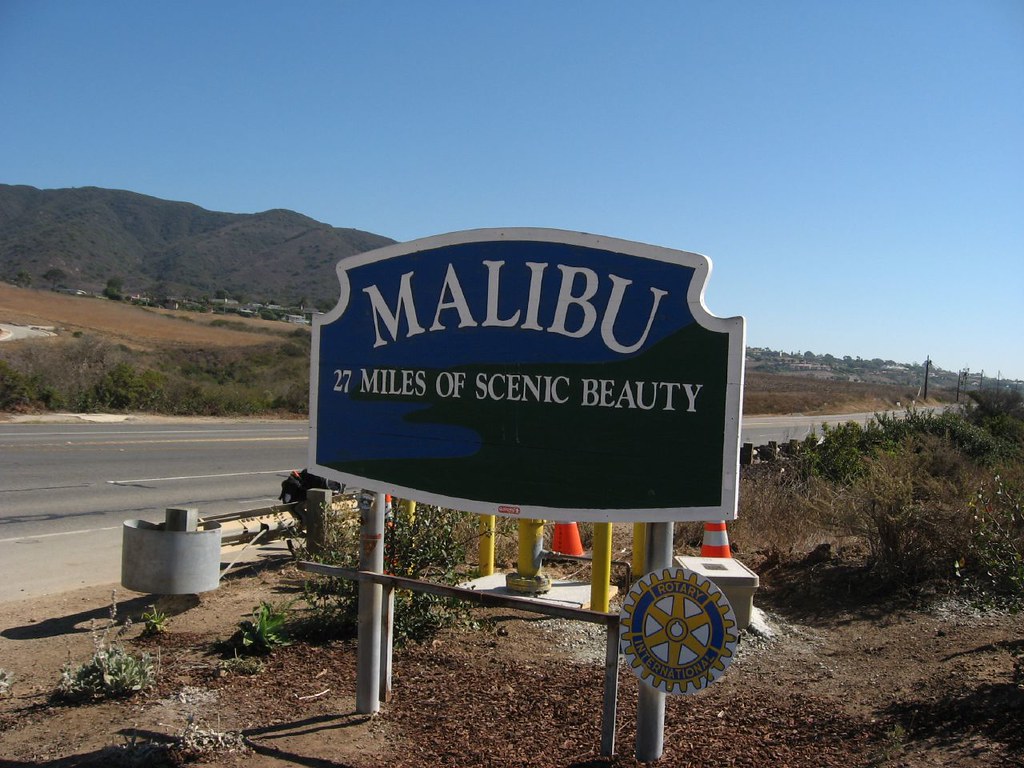
There is a moment, usually around low tide on a Tuesday morning, when you scramble across the slick black rocks at Leo Carrillo State Park and realize that Los Angeles has been holding out on you. The city you thought you knew — gridlocked, sun-baked, perpetually performing — falls away entirely. What replaces it is a stretch of Malibu coastline so layered with natural drama that you half expect a film crew to materialize. (They might. Leo Carrillo has appeared in so many productions over the decades that its sea caves and towering sandstone bluffs have practically earned SAG cards.)
Leo Carrillo sits roughly 28 miles up Pacific Coast Highway from Santa Monica, just past the Ventura County line, in a corridor of coastline that still feels genuinely wild. Named for the actor and conservationist Leo Carrillo — a man who lobbied tirelessly to preserve California’s open spaces — the park stretches across 1,600 acres of beach, chaparral-covered bluffs, and canyon. But most visitors come for the water, and for good reason.
The beach itself splits naturally into two personalities. The northern stretch, accessible via a tunnel carved beneath PCH, is wide and windswept, beloved by surfers and the kind of dog walkers who seem constitutionally incapable of stress. The southern section — Sequit Point — is where things get genuinely spectacular. Here the sandstone headland shoulders into the Pacific and creates a geography of sea caves, rocky coves, and tide pools that rewards anyone willing to put down their phone and look closely. At low tide, the pools teem with purple sea urchins, ochre sea stars, hermit crabs, anemones waving like slow-motion flowers, and the occasional bright orange Garibaldi fish threading through the kelp. It is one of the most accessible, richest tide-pool environments in Southern California, and on a quiet weekday morning you may find yourself nearly alone with it.
The camping here deserves its own paragraph. Leo Carrillo offers 136 campsites nestled against the canyon wall, many of them shaded by enormous sycamores, with the sound of the surf audible from your sleeping bag. Booking fills fast — sometimes months out — so plan ahead through ReserveCalifornia. But the payoff of waking up thirty steps from the Pacific, making coffee while pelicans cruise past at eye level, is the kind of experience that recalibrates what you think a Los Angeles morning can be.
Hikers should not overlook the Nicholas Flat Trail, which climbs from the canyon campground up through chaparral and coastal sage scrub to a seasonal pond with sweeping ocean views. It is a moderately strenuous 7-mile round trip that earns every calorie of the post-hike fish tacos you will absolutely be having at one of the roadside trucks on PCH.
Parking is available in the day-use lot off PCH — arrive before 9 a.m. on weekends if you want a spot without a lengthy wait. The day-use fee runs about $12 per vehicle, which, for this much coastline, canyon, and sheer geological theater, is frankly embarrassing value. Leashed dogs are welcome on the beach north of the lifeguard tower, which makes Leo Carrillo the rare Malibu destination that accommodates the whole household.
What lingers longest after a visit is not any single image but a feeling: the sense that the city is genuinely porous at its edges, that wilderness begins where the last condo ends, and that an hour’s drive can deposit you somewhere the Pacific still runs the show. Leo Carrillo is that place. Go soon, go early, and bring shoes you do not mind getting wet.