The Allentown Maennerchor Club has been around since 1853, which makes it older than most American cities and nearly as old as Allentown itself. It sits on North Seventh Street in a brick building that looks like what it is: a German singing society turned neighborhood social club that refused to die quietly when every other institution of its kind did.
I stumbled in on a rainy Tuesday evening last March, mostly because a friend who grew up in the neighborhood said I had to see it at least once. The front bar is dim and wood-paneled in the specific way that only old money or old tradition can produce — not shabby, not restored, just continuous. The same kind of worn-in character you find in a good library or a barbershop that’s been in the same spot since your grandfather was young.
There were maybe a dozen people inside, spread across barstools and a few tables. A couple of older guys watching a game. A younger crowd in the back playing shuffleboard on one of those long sand-covered tables you don’t see much anymore. Nobody was performing or putting on a show. Everyone was just there, the way people are at clubs where the membership means something beyond a loyalty card.
The beer selection isn’t going to impress anyone chasing craft IPAs. That’s not the point. They pour Yuengling on draft, some German lagers, and the prices are what bar prices should have stayed everywhere. I think I paid somewhere around four dollars for a pint on that Tuesday. The bartender was friendly in an unhurried way and answered my questions about the history of the place without making me feel like a tourist.
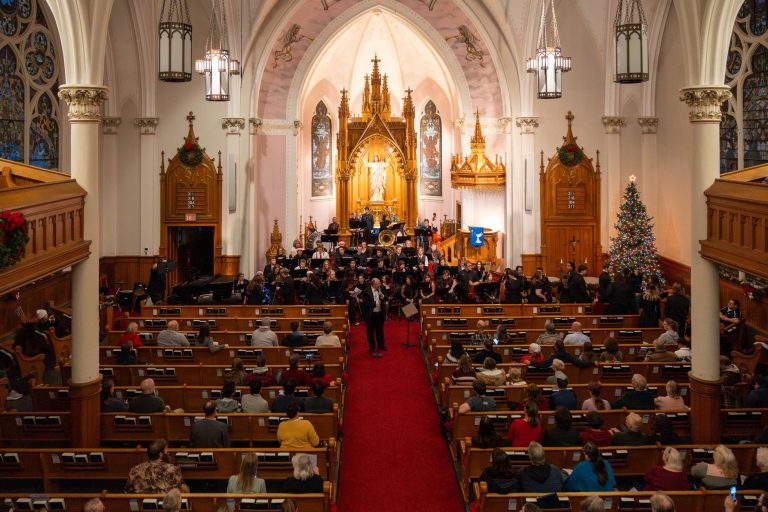
The Maennerchor — the name means “men’s choir” in German — was founded by German immigrants who brought the singing society tradition over from Europe. The club hosted concerts and community events for generations, and while the formal choral performances have wound down over the years, the social function has held. They still host events: fish fries, holiday dinners, the occasional polka night. The calendar is worth checking before you go if you want to catch one of those rather than just the bar.
Membership is cheap and open to the public, though you can visit as a guest. The main hall, which they rent out for events, is worth seeing if you can get inside — high ceilings, old portraits on the walls, the kind of room that makes you aware of the people who sat in it before you.
What I keep coming back to is how genuinely local the place feels. Not local in the curated, Instagram-ready sense that phrase has started to mean, but local in the way that means it exists for the people who live here, has always existed for them, and will keep existing for them whether anyone writes about it or not. That’s rarer than it sounds in 2025.
Go on a weeknight if you want it quiet and unhurried. Go for a fish fry on a Friday if you want it louder and more social. Either way, give yourself time to look around. There’s a lot of Allentown in those walls.