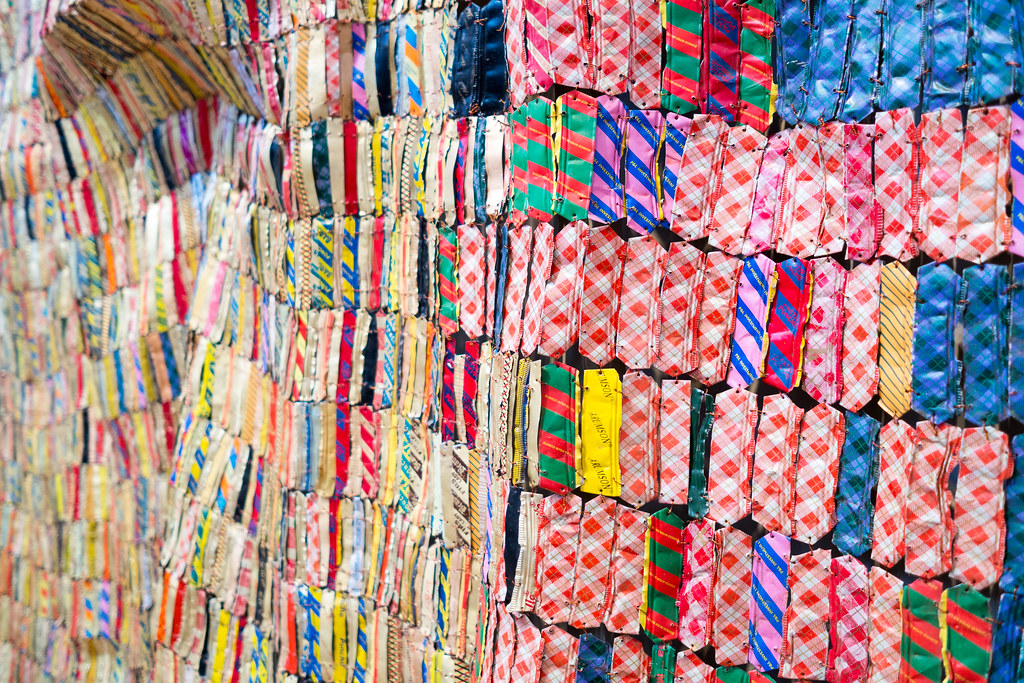
There is a particular kind of afternoon that Madison does better than almost anywhere — the kind where the weather turns unpredictable, the lake goes silver-gray, and you find yourself wandering into somewhere extraordinary almost by accident. For me, that somewhere is the Chazen Museum of Art on the University of Wisconsin–Madison campus, and I have never once walked out disappointed.
Let’s start with the fact that admission is completely free. Not free on certain days, not free if you show a student ID — free, always, for everyone. In a world where major urban museums can run thirty or forty dollars a ticket, the Chazen feels almost subversive in its generosity. The collection spans more than twenty thousand works, ranging from ancient Greek pottery and Renaissance prints to twentieth-century American paintings and contemporary photography. There is a Rubens here. A genuine Rubens. And you can stand in front of it on a Wednesday afternoon for absolutely nothing.
The building itself deserves a moment of credit. Designed by Harry Weese and later expanded, it sits at the eastern edge of the UW campus along Lake Mendota Drive, a short walk from the Memorial Union and an easy stroll from State Street. The galleries are airy and thoughtfully lit, with enough breathing room between pieces that you actually get to look at things rather than shuffle past them in a crowd. The permanent collection is rotated intelligently, so even regulars find something new each season.
What makes the Chazen genuinely special, though, is its attitude. This is not a stuffy institution that holds art at arm’s length behind velvet ropes and institutional silence. The staff are approachable, the programming is lively — think artist talks, family Sundays, live music events in the galleries — and the temporary exhibitions punch well above the weight you might expect from a university museum. Past shows have featured major retrospectives in print media, decorative arts, and global contemporary work that would be headline events at larger metropolitan institutions.
If you visit during the academic year, you will likely share the space with students sketching in front of paintings for class, which adds a kind of living-studio energy that most museums cannot manufacture. Come in summer or on a quiet weekend morning and you may have entire rooms to yourself.
Before you leave, take a few minutes to sit in the light-filled atrium near the entrance. It is the kind of space that makes you breathe more slowly, think more clearly, and feel inexplicably grateful that a place like this exists and asks nothing in return.
The Chazen Museum of Art is one of Madison’s most quietly spectacular gifts to residents and visitors alike. Go soon, go often, and bring someone who thinks they don’t like museums. That assumption won’t survive the afternoon.