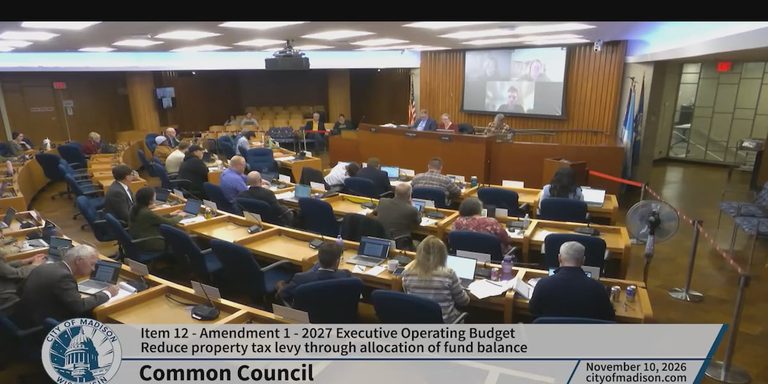
Madison’s Common Council voted on Nov. 10 to adopt a roughly $477.7 million operating budget for fiscal year 2027, according to WMTV. The approval keeps city services intact while modestly raising property taxes for homeowners.
Finance Director David Schmiedicke told reporters that owners of an average‑value home can expect to pay about $90 more each year in the city’s portion of property taxes – roughly $7.50 per month – a 2.7% increase over the prior year. The increase comes despite a drop in the tax rate from approximately $7.01 to $6.93 per $1,000 of assessed value, because the average assessed home value rose from about $481,300 to $500,300.
District 19 Alder John Guequierre explained that the council originally anticipated needing to cut services to save about $2.2 million. Instead, the city identified nearly $1 million in efficiencies, such as revised technology purchasing and waste‑disposal practices, allowing it to maintain service levels.
The approved budget includes several priority investments: an additional $12 million for the affordable‑housing fund and continued work on the Triangle redevelopment project; funding for a tenth ambulance company and staffing for the newly opened Imagination Center Library; and resources for violence‑prevention programs and a new police body‑worn‑camera initiative. An extra $200,000 in operating spending supports violence‑prevention and Vision Zero traffic‑safety efforts.
The capital budget earmarks money for a new public‑works facility on Madison’s far‑west side, intended to cut travel time and fuel costs for city vehicles.
While the budget avoids new special charges, the city’s financial outlook remains cautious. The Wisconsin Policy Forum notes Madison holds about $125 million in reserves – roughly 28% of annual general‑fund spending – a strong short‑term position. However, main‑fund spending is growing at about 5.5% annually, outpacing the property‑tax levy’s growth of roughly 3.4%.
Schmiedicke warned that rising employee compensation, health‑insurance costs and debt payments contribute to a projected shortfall of approximately $20 million in 2028, potentially expanding to around $59 million by 2031 if trends continue. The city’s five‑year financial plan considers using reserves and special charges to address future gaps, though specific revenue measures remain undecided.
Metro Transit’s finances also factor into the budget picture. Guequierre said the city used some one‑time funds from Metro to avoid cuts, but those measures will not carry over to the next year. Byrnes added that Metro’s fare revenue has not kept pace with ridership recovery, and state transit funding has been stagnant for over a decade.
What’s next: Alder Guequierre plans to encourage fellow alders to meet with state lawmakers in December to discuss potential changes to municipal funding that could help close the projected long‑term deficit.
Sources: wmtv15news.com