The first thing I noticed was the smell — not fish, not bleach, but clean cedar and something faintly oceanic, like standing near a tide pool on a cold morning. I’d been skeptical about an omakase counter in Durham, honestly. The city has earned its food reputation, but raw fish in landlocked North Carolina felt like a stretch. M Sushi changed that opinion inside the first two bites.
The restaurant sits on the edge of downtown on Foster Street, in a space that’s spare without being cold. There’s a full dining room for à la carte, but the counter — twelve seats curving around the sushi bar — is where you want to be. Chef Michael Lee runs it, and watching him work is part of the meal. He moves with the kind of unhurried precision that only comes from years of repetition. No showmanship, no narration unless you ask. He sets each piece in front of you on the smooth hinoki wood and waits for you to eat it before he starts the next one.
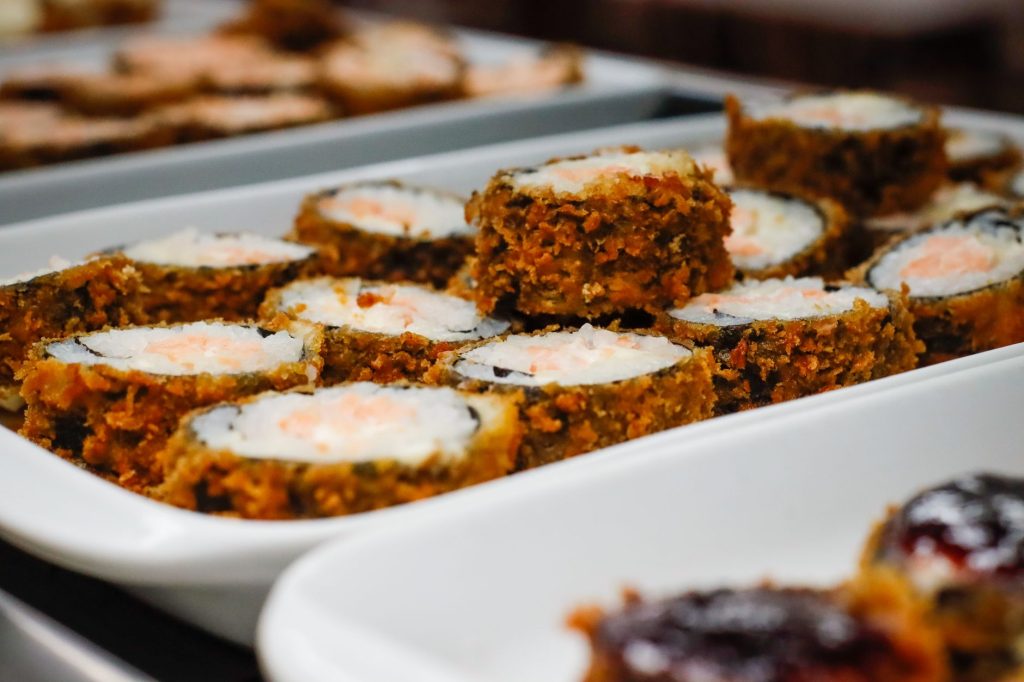
The omakase changes with what’s arriving from the fish markets that week. On the night I went, we started with a small bowl of house-made tofu — silky, almost custardy, topped with a dab of caviar — before the nigiri sequence began. Hokkaido scallop with yuzu zest. King salmon with a brush of shio kombu. Toro with just a smear of wasabi Lee had ground himself at the counter. Each piece was two bites at most, temperature-perfect, with rice that had actual warmth and give to it. Good sushi rice is underrated; here, you notice it.
The omakase runs around $150 to $175 per person depending on the evening and what’s available, which puts it in line with comparable counters in Raleigh or Charlotte. Sake pairings are available and worth asking about — the list leans toward junmai daiginjo styles that complement rather than compete with the fish. If you’re not doing omakase, the à la carte rolls and sashimi platters are genuinely good, more affordable, and better than most of what you’ll find at the suburban sushi chains that dominate the Triangle. But the counter is the reason to make the reservation.
Book ahead. The omakase seats fill up fast, especially Thursday through Saturday. I’d suggest going on a Tuesday if you can — the room is quieter, the pacing more relaxed, and you’ll have more chance to actually talk to Lee between courses if you’re curious about what you’re eating. He’s generous with that, once he sees you’re paying attention.
What M Sushi does that most places around here don’t is take sourcing seriously as a daily practice, not a marketing line. Lee isn’t flying everything in from Tsukiji as a branding exercise; he’s working relationships with specific suppliers and adjusting the menu around what’s actually in good shape that week. Some nights that’s more West Coast fish, some nights more East Coast, and occasionally something from farther afield. That variability is exactly what makes the counter worth returning to.
I’ve been back twice since my first visit. Both times, the meal felt different enough to justify going again, which is the real test of any tasting format. Durham has gotten serious about its restaurant scene over the past decade, and M Sushi is one of the clearer proofs that serious doesn’t have to mean pretentious.