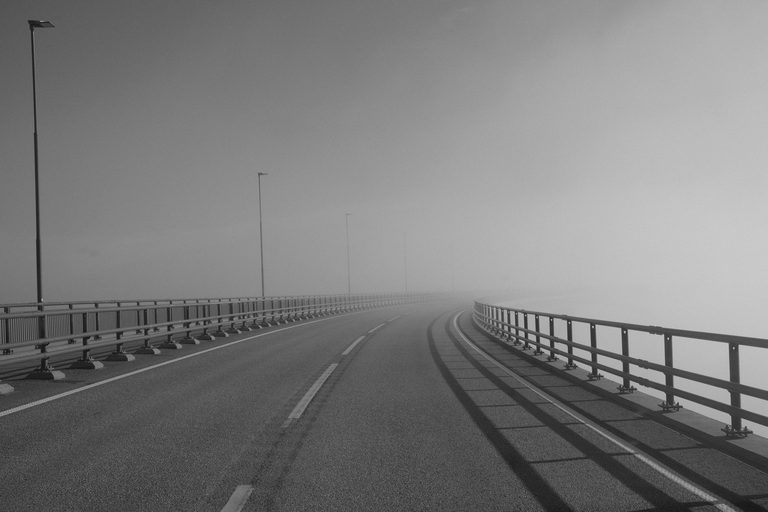
Two consecutive mornings, October 28‑29, saw Lubbock shrouded in thick fog that turned familiar streets into a hazy scene. The National Weather Service explained that the phenomenon was a classic case of ground‑level cloud formation, driven by a combination of moisture, temperature inversion, and light winds.
How Fog Forms at Ground Level
Fog is essentially a cloud that forms at the surface. When overnight temperatures fall toward the dew point—the temperature at which air becomes saturated with moisture—water vapor condenses into billions of tiny droplets suspended in the air. When enough droplets accumulate, visibility drops dramatically, creating the fog that drivers and pedestrians experienced.
Why the Fog Was Especially Thick
According to the National Weather Service, southerly winds carried unusually moist air onto the South Plains. At the same time, a temperature inversion set up a stable layer of warmer air above cooler air near the ground. This inversion acts like a lid, trapping the cool, damp air close to the surface and preventing it from mixing upward.
On Thursday morning, Lubbock’s airport recorded a temperature of 55 °F, a dew point of 54 °F, and relative humidity near 96 %. Visibility was reduced to roughly half a mile, confirming the presence of dense fog.
When the Fog Disappeared
As the sun rose, it warmed the ground and the air just above it. The increase in temperature caused the tiny water droplets to evaporate, gradually clearing the fog. Daytime heating also helped break down the temperature inversion, allowing the trapped moisture to disperse.
Potential for Future Fog Events
The National Weather Service warned that additional moisture moving into West Texas, combined with upcoming rain, could create similar conditions if overnight temperatures remain low and winds stay light. Residents should stay alert for reduced visibility on early mornings and plan travel accordingly.
Practical Tips for Drivers
- Reduce speed and increase following distance when visibility is limited.
- Use low‑beam headlights; high beams can reflect off fog and reduce visibility further.
- Watch for fog‑related advisories from the National Weather Service and local media.
While fog can be unsettling, especially when it turns familiar streets into a misty tableau, it also brings a brief respite of moisture to a region that often contends with dry, dusty conditions. Residents can appreciate the temporary change while staying safe on the roads.
Original reporting: News/Talk 790 KFYO (Lubbock) — read the source article.