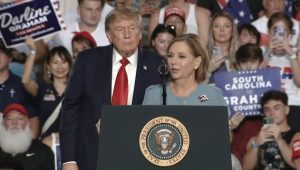
Dallas – The election of Democratic State Rep. Vikki Goodwin as Texas lieutenant governor marks a potential turning point for the state’s hemp industry. Goodwin defeated incumbent Dan Patrick, who had championed strict hemp rules, winning 52% of the vote to Patrick’s 46% in the precinct count.
Industry impact under the previous administration
During the 2025 legislative session, Lt. Gov. Dan Patrick led a push to ban all hemp products that contain THC, citing safety and age‑related concerns. Governor Greg Abbott later vetoed the bill but directed the Department of State Health Services (DSHS) to create new rules. Those rules raised licensing fees, limited marketing, and prohibited smokeable products such as THCA flower.
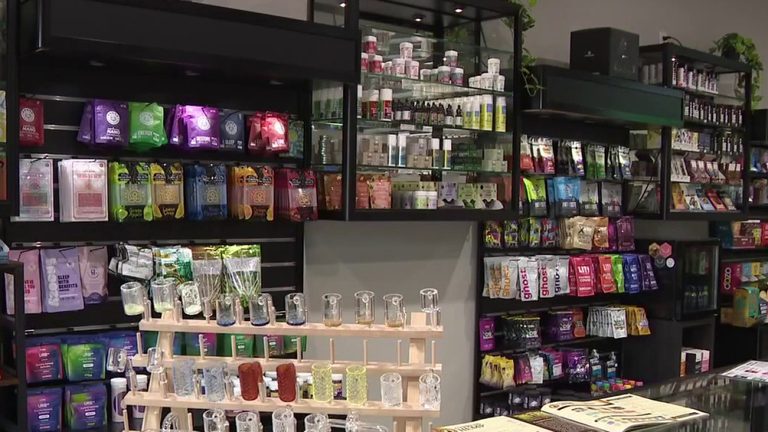
A Texas Supreme Court decision subsequently allowed DSHS to reclassify Delta‑8 THC and Delta‑10 THC as controlled substances. Retailers like Restart CBD + THC, which earned its state license in 2019, were forced to remove roughly 50‑60% of their inventory, a blow described by owner Shayda Torabi as “super devastating to business.”
Goodwin’s promised approach
Goodwin told a recent press conference that she intends to restore the industry to its pre‑DSHS regulatory environment and then address any needed changes through legislation. “There’s a spirit of hopefulness that we now have a chance to work with someone in a seat of power,” Torabi said, expressing optimism that the lieutenant governor’s office will amplify the industry’s voice.
As lieutenant governor, Goodwin will preside over the Texas Senate, giving her a decisive role in which bills reach the floor and how they are debated. Her campaign highlighted Patrick’s anti‑THC stance, and she has met with numerous hemp store owners, promising supportive legislation.
Federal hurdle on the horizon
Even if state policy shifts, the industry faces a looming federal ban slated for December 11, which would prohibit hemp products containing more than 0.4 mg of THC per package. Torabi warned that “consumers across the United States should be prepared for those products to disappear from shelves.”
Goodwin’s influence will not be immediate. The Texas legislative session begins in January, runs through the summer, and any hemp‑related bills would likely take effect in September. Torabi acknowledges the timeline, noting that “she’s not snapping her fingers and giving us access overnight, but we expect real conversations that move things forward.”
What’s next for Texas hemp?
Stakeholders are awaiting Goodwin’s first moves in the Senate. While the federal ban remains a significant obstacle, state‑level reforms could lower licensing costs, ease marketing restrictions, and potentially allow smokeable hemp products to return to the market.
Fox 7 has reached out to Goodwin’s office for details on her legislative agenda but has not yet received a response.
Original reporting: Dallas – Ft. Worth Feed (HLL/CB) — read the source article.