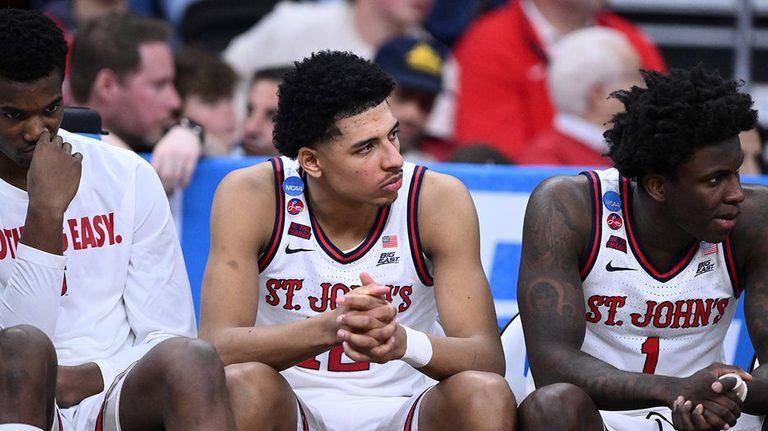
In a development that directly impacts the LSU Tigers men’s basketball program, a Louisiana judge granted former St. John’s player RJ Luis an injunction that lets him practice with the team and appear in games through a November 13 hearing. The order comes amid an ongoing legal battle between LSU and the Southeastern Conference (SEC) over the eligibility of athletes with prior professional experience.
Background of the eligibility dispute
SEC rules prohibit athletes who have signed an NBA contract or otherwise have professional experience from competing for member schools. RJ Luis, who played at St. John’s before signing a professional contract, was initially barred from taking the court for the Tigers. Earlier this season, a Louisiana judge issued a temporary order that allowed Luis to play, based on a broader lawsuit challenging NCAA eligibility rules for the 2022 class.
Since then, the SEC and LSU have been added to a separate lawsuit that also involves former football players Dae’Quan Wright and Zxavian Harris, who have NFL experience. At a hearing for those athletes, SEC Commissioner Greg Sankey testified for more than three hours. A judge later ruled in favor of the athletes, permitting them to be rostered by LSU football coach Lane Kiffin without SEC penalties.
Current injunction and its implications
The latest injunction, issued on Wednesday, gives LSU the legal authority to roster RJ Luis for the remainder of the season, pending the November 13 hearing in Baton Rouge. Attorney Tony Clayton, who represents Luis and was also involved in the football players’ case, said the filing adds both the SEC and LSU as defendants, providing a clear path for Luis to play despite the conference’s guidelines.
“My client, Mr. Luis, felt it was in his best interest to file this claim against LSU and the SEC because of the commissioner’s actions and the commissioner’s threat,” Clayton told NOLA.com. “LSU may be intimidated by ‘Kim Jong’ Sankey, but we’re not.” While the comparison to a foreign leader is colorful, the core argument is that the SEC’s enforcement threatens the university’s ability to field its best athletes.
Coach Will Wade’s decision pending
LSU basketball coach Will Wade has said he will follow SEC guidelines, which currently forbid adding former professional athletes to the official roster. However, with the court order in place, Wade now faces a decision: comply with the injunction and field Luis, or risk further legal action by the SEC.
Clayton argues that the injunction shields LSU from SEC retaliation, stating, “LSU is a great institution. Coach Wade is a good guy, a good coach, but both of them need to be forced to allow RJ to play basketball since he’s obviously qualified. The SEC’s threat should not stop a student’s fundamental right to play.”
Potential civil claims and broader stakes
Beyond the immediate eligibility question, attorneys for the former football players are reportedly preparing a civil suit against the SEC seeking monetary damages for being barred from roster spots. If successful, such a suit could set a precedent affecting how the SEC enforces its eligibility rules across all member schools.
Legal experts note that the outcome of the November 13 hearing could have ripple effects for other athletes with professional experience seeking to compete at the collegiate level. The case underscores the tension between conference regulations and individual athletes’ rights to pursue education and competition.
What’s next for LSU and the SEC?
The court’s injunction remains in effect until the scheduled hearing. Both LSU and the SEC have indicated they will continue to pursue their positions in federal court, meaning the dispute is likely to extend beyond the basketball season.
For LSU fans and the broader Baton Rouge community, the key question is whether the Tigers will be able to field a full roster without penalty. The legal battle highlights the importance of protecting student‑athletes’ opportunities while respecting conference governance.
Original reporting: Fox News (HLL/CB) — read the source article.