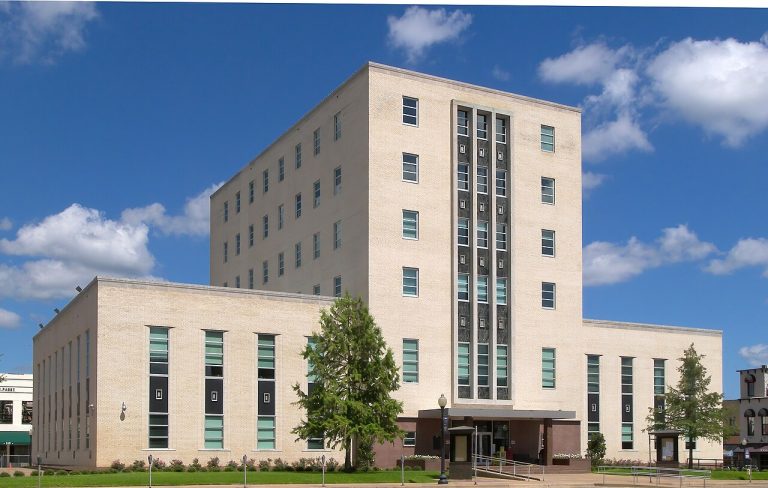
In a 3‑to‑2 vote, the Lowndes County Commission approved a long‑term agreement to bring an artificial‑intelligence data center to the county. The resolution includes a 50‑percent abatement of both ad valorem and construction taxes, a financial structure the commissioners say will generate roughly $2.8 billion for Lowndes County over the next two decades.
Economic expectations and local benefits
Commission Chairman Charlie King, Jr. described the project as a “win‑win situation for Lowndes County all the way around” and called it a “cash cow” for the community. He explained that the anticipated revenue will support county services, infrastructure upgrades and school funding, helping to improve the quality of life for residents.
The agreement also projects the creation of between 50 and 225 permanent full‑time positions once the facility is fully operational. Those jobs are expected to span a range of skill levels, from technical support to facility management, providing new employment opportunities in a traditionally agricultural area.
Community concerns
Opposition to the project has been vocal. Residents living near the proposed site have organized a public‑awareness campaign, arguing that the “massive billion‑dollar industrial site” could disrupt the quiet, rural character of the area. “We feel like it’s going to destroy our community,” said Adrian Johnson, a local homeowner. “Nobody lives in Lowndes County because they want to live next to a billion‑dollar industrial site.”
Critics also worry about potential impacts on traffic, water usage and the visual landscape of the farmland that has defined the county for generations.
Balancing growth and preservation
County officials acknowledge the concerns but emphasize that the tax abatement is designed to make the project financially viable while still delivering substantial public revenue. The commission believes that the influx of tax dollars will enable critical upgrades to roads, utilities and public schools, offsetting any increased service demands.
“We are committed to ensuring that this development strengthens our community without compromising the values that make Lowndes County special,” King said. “The revenue will allow us to invest in the infrastructure that supports both new industry and our longtime residents.”
Next steps
The data‑center developer will now move forward with site preparation, environmental reviews and the hiring process. The commission plans to monitor the project’s progress closely, holding regular updates for the public to address any emerging issues.
As Lowndes County embarks on this ambitious economic venture, the balance between attracting high‑tech investment and preserving the county’s rural heritage will remain a central focus for both officials and community members.
Original reporting: Alabama News Network — read the source article.