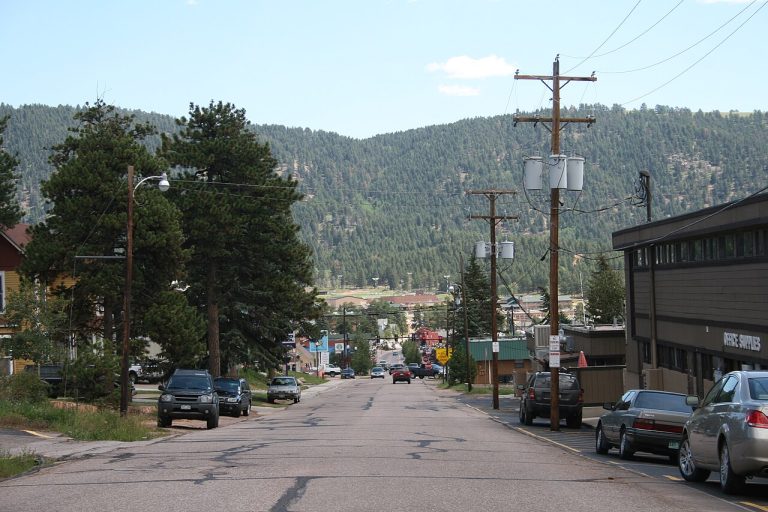
Lowell city officials are taking another step to address long‑standing concerns about speeding on Riverside Drive. Residents have complained for years that drivers use the road as a shortcut, bypassing traffic lights and racing past homes. In response, the city will remove the temporary barriers that have been in place and add a new, more prominent speed‑table on top of the existing one.
Background and resident concerns
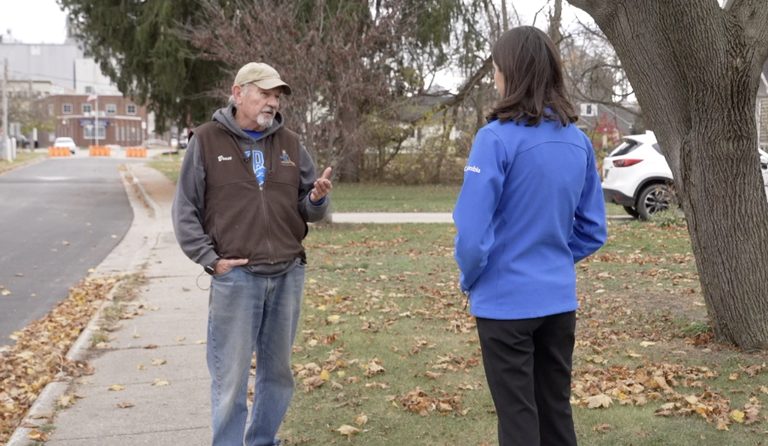
Bruce Matthews, a longtime resident of Riverside Drive, described the problem as a daily safety threat. “People use it as a shortcut to get out of town, they use it to bypass the traffic light, and they speed up Riverside quite fast,” he said. For families with children and grandparents walking the neighborhood, the speed of passing vehicles has been a source of anxiety.
Previous attempts
Over the past two and a half years, Lowell has tried several measures. First, temporary traffic barriers were installed to force drivers to slow down. Later, the city added speed tables—small raised sections of pavement intended to reduce vehicle speed. City Manager Mike Burns, however, acknowledged that the original speed tables were not built to the proper specifications, limiting their effectiveness. “The speed tables really had no impact. We went out there and the table was barely off of the road,” Burns explained.
New approach
Under the new plan, the temporary barriers will be taken down. A temporary speed table will be placed on top of the existing one, creating a more noticeable rise in the road surface. The city hopes this layered design will produce a stronger visual cue for drivers to reduce speed.
Testing and next steps
Once installed, the new configuration will be monitored for a 60‑day trial period. After the trial, the Lowell City Council will review the data and decide whether to keep the modified speed tables, replace them with a different solution, or pursue additional traffic‑calming measures.
Community response
Matthews expressed cautious optimism. “We had something that worked, but now we’re trying something different to see if that’s going to work too,” he said. He added that the ultimate goal for him and his neighbors is a safe street where children and seniors can walk without fearing speeding traffic. “We want a safe street. We want to have our kids and our grandkids and our neighbors to be able to walk up and down the street without having to worry about getting hit by speeding traffic,” Matthews said.
Why it matters
Traffic‑calming projects like this reflect a broader effort by municipalities to protect families and preserve the quality of life in residential neighborhoods. By listening to resident feedback and adjusting engineering solutions, Lowell aims to demonstrate that local government can respond effectively to community safety concerns.
City officials will continue to engage with Riverside Drive residents throughout the trial period, gathering input and data to ensure the chosen approach meets the neighborhood’s needs.
Original reporting: FOX 17 WXMI Grand Rapids (local) — read the source article.