MindTree Puzzle Room & Escape Games opened in 2016 in a strip of commercial space off University Drive, before escape rooms had become a fixture in every mid-sized American city. At the time, Huntsville had a handful of them, and MindTree was the one that locals kept coming back to — not because it was the flashiest operation in town, but because the puzzles were genuinely hard.
The facility runs five rooms, ranging from beginner-friendly to genuinely punishing. The Asylum, the most popular room by reputation, has a lock-and-key density that frustrates groups who think lateral thinking alone will carry them through. It won’t. The puzzles layer: a cipher leads to a physical combination, which reveals a clue that only makes sense once someone reads a prop they ignored ten minutes earlier. Groups of two or three struggle; groups of four or five with one loud person who refuses to listen also struggle, but for different reasons.
Rooms are reset between bookings, so the experience doesn’t feel worn. The staff runs a timer on a screen inside each room, and there’s a hint system — a button that summons a clue through an intercom — that most groups use at least twice whether they admit it or not. The building itself is nothing dramatic: drop ceilings, modest signage outside, a waiting area with a few chairs and a leaderboard on the wall showing completion times. The leaderboard is the kind of detail that tells you who runs the place. Someone cared enough to track times back to the beginning.
Pricing runs around $28 per person for a standard session, with some rooms priced higher depending on complexity and group size minimums. Booking is online, and walk-ins during peak weekend hours are unlikely to find open slots. Friday and Saturday evenings fill fast; a Tuesday or Wednesday afternoon is easier and usually quieter in the lobby. Groups should arrive ten minutes early — the pre-room briefing covers rules and sets up context that actually matters for some of the puzzles.
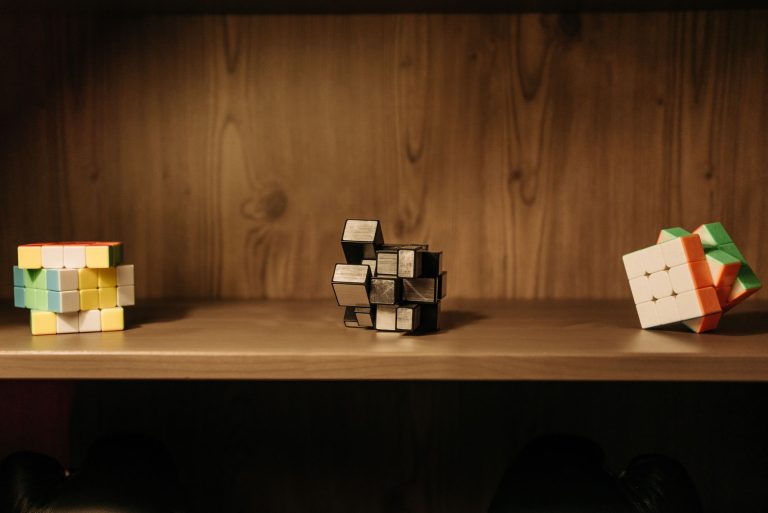
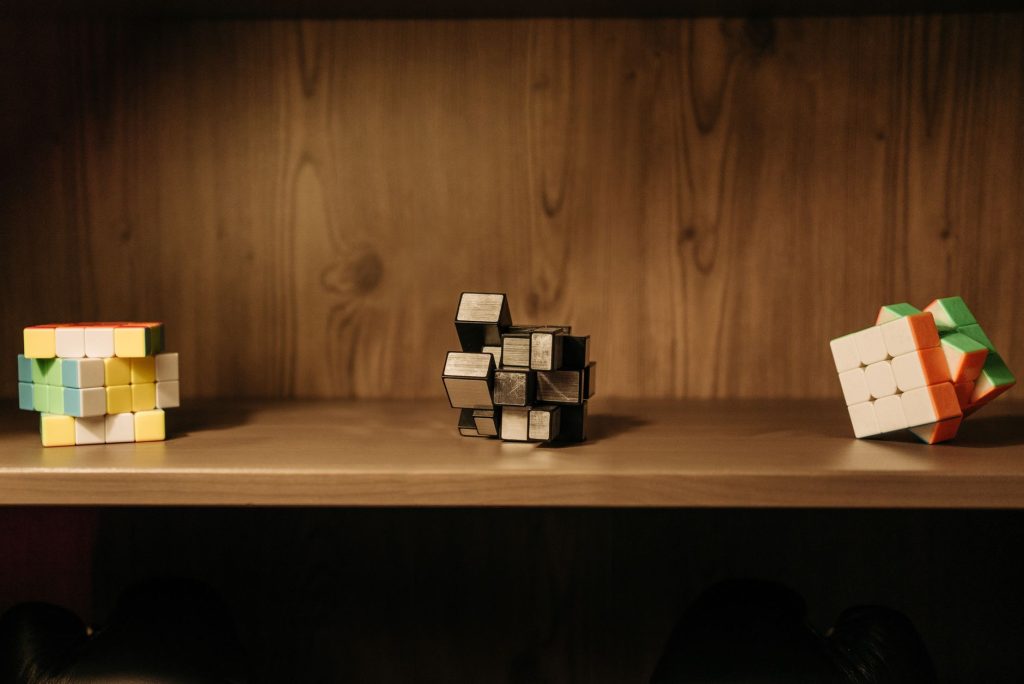
What keeps MindTree from blending into the category is a commitment to mechanical puzzles over digital ones. Some newer escape venues lean heavily on touchscreens and electronic locks, which can feel more like a video game than a physical experience. MindTree’s rooms still use padlocks, keys, drawers, hidden panels, and objects that have to be manipulated with hands. There’s a tactile quality to the problem-solving that gets people off their phones and into the room in a way that matters.
It draws a wide cross-section of Huntsville — defense contractors doing team-building outings, birthday parties, couples on unusual dates, families with teenagers who’ve grown past the trampoline park phase. The Space City professional crowd shows up in numbers that make sense given the town’s culture around engineering puzzles. More than a few groups have reportedly booked every room in the facility over multiple visits, working through them systematically like a checklist.
MindTree isn’t a spectacle. It doesn’t have a themed lobby, branded merchandise, or a cocktail bar attached. What it has is a consistent product and rooms that the design clearly didn’t rush. For a city that takes its brain-work seriously, that turns out to be enough.