Mayor Craig Greenberg highlighted a new milestone for Louisville’s effort to end chronic homelessness on Tuesday, noting that 100 individuals experiencing unsheltered homelessness have been transitioned into permanent supportive housing through the city’s Home for Good initiative.
Program background and goals
Launched in 2025, Home for Good combines affordable housing with on‑site services such as health care, social work, and job training. The city has pledged more than $10 million in public and private funding to expand the program, with a target of providing permanent supportive housing to at least 250 people experiencing chronic homelessness by 2027.
Progress shown in the latest count
The city’s 2026 Point‑in‑Time Count reported an 18% decline in unsheltered homelessness compared with the previous year, reflecting the impact of outreach and housing efforts. Despite this improvement, more than 500 Louisville residents remain without stable housing.
Personal stories illustrate two paths
Crystal Cox’s experience underscores the program’s potential. After nearly two years on the streets and a near‑fatal fentanyl‑laced methamphetamine overdose, Cox connected with Goodwill’s Another Way program, which offers paid work and links to services. Today, she is three years sober, owns a car, and works as an outreach specialist, describing her new stability as “being able to buy a car, keep a home, and even do my nails.”
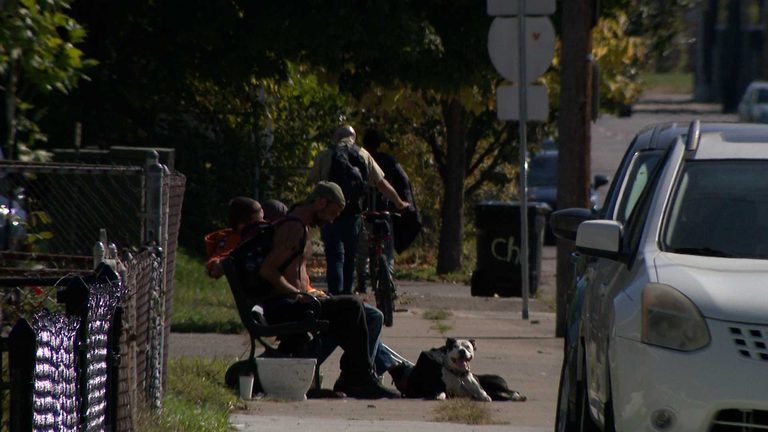
In contrast, Brandon Vernon’s story shows the ongoing gaps. After losing his job and falling behind on rent, Vernon surrendered his house keys in August and has been living outdoors with his girlfriend and their two dogs. He says shelters would force the couple to separate or give up their pets, which he calls “my babies.” Vernon also points to Kentucky’s unlawful camping law, part of the 2024 Safer Kentucky Act, which criminalizes sleeping in public spaces and, according to him, makes it harder for people living outside to stay in one place.
Unlawful camping law and its impact
The law, effective July 15, 2024, prohibits sleeping or camping without authorization on streets, sidewalks, under bridges, and similar areas. A first offense can result in a fine up to $250; repeated offenses are a Class B misdemeanor punishable by up to 90 days in jail and an additional fine. Supporters argue the statute improves public safety and encourages people to seek shelter, while critics claim it criminalizes homelessness without providing sufficient housing options.
In May, a Jefferson County District Court judge ruled the camping statute unconstitutional in a single case, finding it punished an unavoidable need to sleep and gave police excessive discretion. That decision applied only to the specific case and did not overturn the law statewide; another Jefferson County judge has previously upheld it.
How the city connects people to help
Louisville’s outreach teams proactively visit known outdoor sleeping areas, and individuals can also enter the system through shelters, service providers, or the city’s unlawful camping docket. A citation is not required for assistance, though those cited are automatically assessed and referred to services through the court process. The specialized “homeless court” docket aims to connect defendants with shelter, affordable housing, identification documents, substance‑use treatment, and other resources rather than jail.
Looking ahead
While the Home for Good initiative has achieved a notable first step, city officials stress that continued outreach, expanded shelter capacity, and additional supportive services are essential to address the remaining need. Both Cox and Vernon agree that compassion and personal engagement are key to helping those experiencing homelessness regain stability.
Original reporting: WLKY Louisville — read the source article.