Louisiana’s new recreational alligator hunting season concluded on Oct. 31, delivering a strong start for a program the state legislature created during its spring session. Sport hunters harvested more than 1,800 alligators over the month‑long window, according to the Louisiana Department of Wildlife and Fisheries.
Governor lauds the season as a family opportunity
Governor Jeff Landry highlighted the season as a “wild success” for families across the state. In a news release he noted, “With more than 3 million alligators in our state, this was an exciting opportunity for families to enjoy our Sportsman’s Paradise. We can’t wait to bring it back next year.” The governor’s endorsement underscores the administration’s focus on expanding responsible outdoor recreation for Louisiana residents.
How the season was structured
The state set a ceiling of 10,000 alligators for the inaugural sport season. To participate, Louisiana residents needed a standard hunting license and a special alligator hunting permit, which was allocated through a lottery system. Non‑Louisiana residents were also eligible if they accompanied a state‑licensed hunter and purchased a $150 out‑of‑state license.
Senator Robert Allain, R‑Franklin, authored the bill that established the sport season, which runs concurrently with the existing commercial season. Commercial hunters began taking alligators in early August in the eastern zone and early September in the western zone, with both commercial seasons extending through Dec. 31.
From commercial tags to sport permits
Before this legislation, anyone wishing to hunt alligators for recreation in public waters and wildlife management areas had to obtain tags from a state‑licensed commercial hunter, whose primary goal is to harvest the reptiles for their hides and meat. Louisiana’s 2,900 licensed commercial hunters receive tags based on the property they hunt on and the local alligator population.
Conservation impact
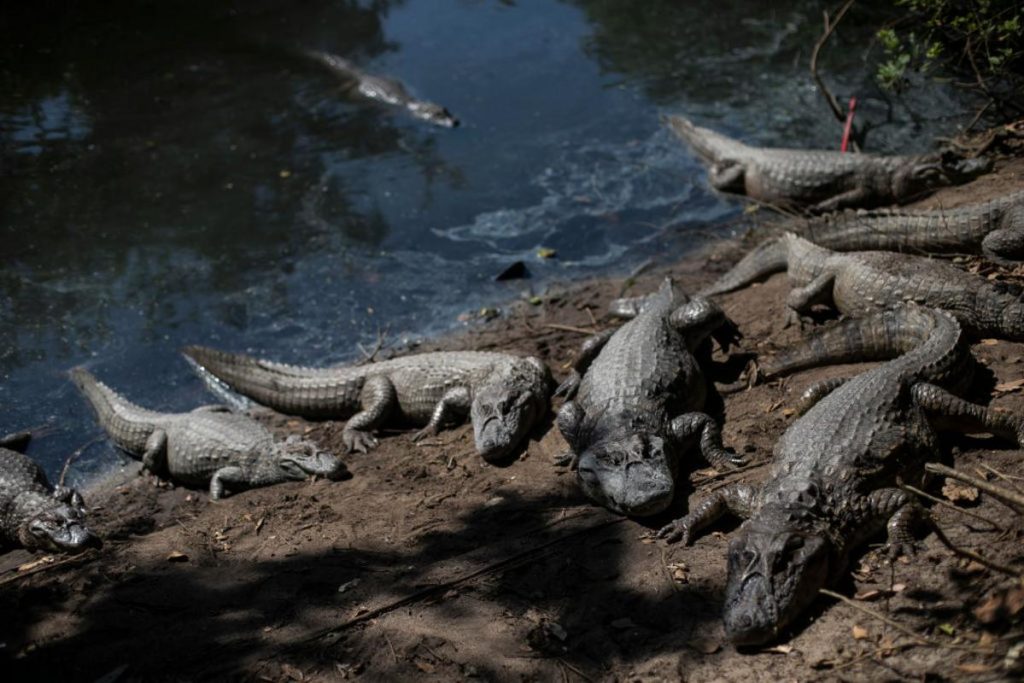
Wildlife officials and conservationists have praised the sport season as a sign of the species’ recovery. Once listed as federally endangered, the wild alligator population in Louisiana has risen from roughly 100,000 to more than 3 million over the past 50 years, according to the Department of Wildlife and Fisheries. Officials attribute the rebound to protective measures such as limiting the taking of alligator eggs and encouraging alligator farming to bolster wild numbers.
The successful launch of the sport season reflects a broader state effort to balance wildlife management with responsible hunting opportunities for families, reinforcing Louisiana’s reputation as a premier hunting destination.
Original reporting: KTBS 3 (Shreveport) — read the source article.