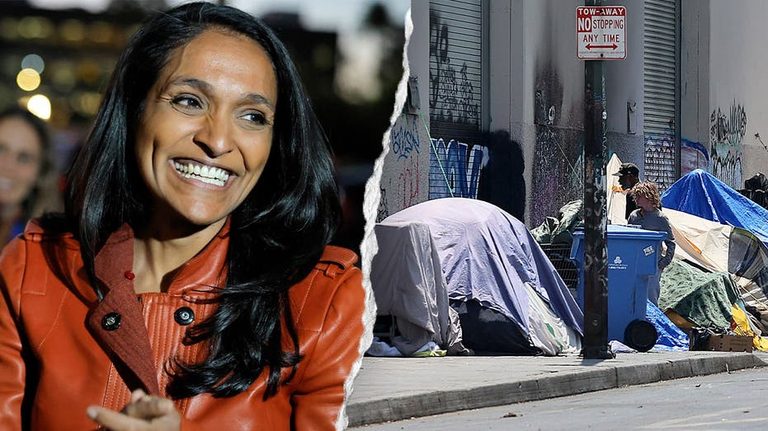
Los Angeles residents will hear a bold promise from the city’s next mayor. Nithya Raman, who will take office in December, has pledged to cut the number of people sleeping in tents and encampments by at least half before the 2028 Summer Olympics. The goal is part of a larger effort to present a cleaner, safer city to the influx of visitors expected for the Games.
Background and recent trends
The Los Angeles Homeless Services Authority’s 2026 annual count shows homelessness rose 3.4% in the city and 1.2% across the broader Los Angeles area, reversing two years of decline under former Mayor Karen Bass. Raman’s campaign highlighted the growing crisis, describing the city’s “desensitization to homelessness” as a moral failing.
Raman’s plan
Raman intends to expand shelter capacity, increase rental assistance, and shift funding from costly hotel placements to more affordable rental vouchers. Her proposal also calls for medical teams to be sent directly into encampments to provide mental‑health and addiction treatment, with the aim of moving residents into long‑term housing or care within 90 days. Unarmed crisis response teams would handle certain emergencies instead of police officers, and the mayor plans to audit stalled housing projects and tighten oversight of homelessness spending.
Local business concerns
John Alle, a Santa Monica business owner and co‑founder of the Santa Monica Coalition, expressed skepticism. “I don’t think we’re going to be able to hide that before the crowds,” he told Fox News Digital, noting that tourists have already reported safety incidents in both Santa Monica and downtown Los Angeles. Alle warned that the plan could amount to a temporary clean‑up – moving people off the streets for the three‑week Olympic window only to see them return afterward.
Alle, who manages roughly one million square feet of commercial property, also raised questions about transparency. “She’s got a billion‑dollar problem on her hands right now, and she knows,” he said, urging an audit of the more than $1 billion already spent on homelessness programs.
Critiques of housing strategy
Critics pointed to the proximity of supportive housing to families and children, noting that some facilities lack strict sobriety requirements. “There is no commitment for anyone not to use drugs while they’re there,” Alle observed, arguing that the approach is not aggressive enough to address underlying drug and mental‑health issues.
Alle also suggested ending Los Angeles’s sanctuary city status, arguing that doing so would help address the twin problems of drug abuse and mental illness that, in his view, drive the homelessness crisis.
Mayor‑to‑be’s response
Raman has defended her strategy, emphasizing that audits of every nonprofit and agency receiving city funds will increase accountability. She noted that shifting resources toward rental vouchers could provide a more sustainable path to permanent housing than the current hotel‑based model.
What’s next
The mayor‑elect’s plan will be scrutinized by the City Council’s Housing and Homelessness Committee and by local stakeholders as the city prepares for the Olympics. With homelessness rates on the rise, the effectiveness of Raman’s proposals will likely become a focal point of public debate in the months leading up to the Games.
Original reporting: Fox News (HLL/CB) — read the source article.