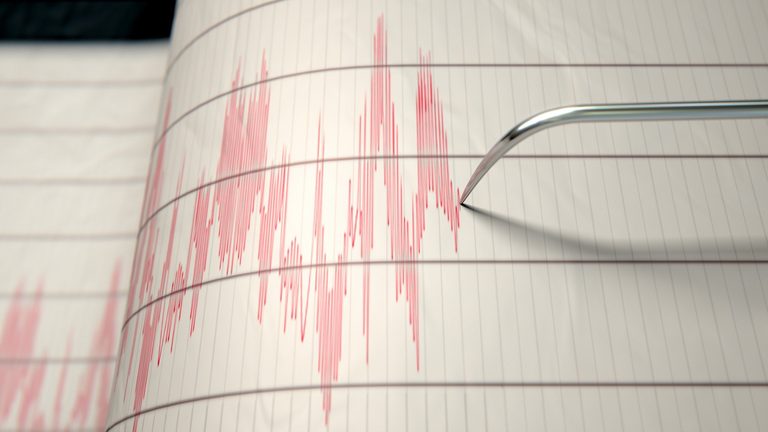
Los Angeles officials are reminding residents that a major earthquake is not a question of “if” but “when.” The U.S. Geological Survey estimates the city has a 31% chance of experiencing a magnitude 7.5 quake within the next couple of decades. In response, local emergency managers have compiled a straightforward checklist to help families, churches, and neighborhoods stay safe.
Before a quake strikes
- Store at least 72 hours of non‑perishable food and water for each household member.
- Learn how to shut off gas, water, and electricity safely.
- Conduct regular emergency drills with family members, neighbors, and church groups.
- Keep a flashlight within arm’s reach of each bedroom.
- Place sturdy shoes in your car and under each bed for quick access.
- Maintain a basic earthquake‑preparedness kit in your vehicle, including a first‑aid kit, blankets, and a portable radio.
If the quake hits while you’re in bed
- Drop to the floor, curl into a ball, and cover your head with a pillow.
- Stay still until the shaking stops.
- Put on sturdy shoes before moving to protect your feet from broken glass and debris.
If the quake hits at work or school
- Remember the “duck, cover, hold” mantra.
- Take shelter under a sturdy desk or table.
- Shield your head with one arm while holding onto the cover with the other.
- Remain seated until the shaking ends.
If you’re driving when the tremor occurs
- Safely pull over to the side of the road and stay inside your vehicle.
- Avoid stopping under overpasses or near power lines that could fall.
- Use your emergency kit and sturdy shoes to protect against falling objects.
After the shaking stops
- Stay calm and be prepared for aftershocks, which can continue for minutes or hours.
- Immediately shut off gas, water, and electricity if you smell gas or see damage.
- Check yourself and others for injuries; administer basic first aid as needed.
- Communicate with family members using text messages rather than voice calls to keep phone lines open for emergency services.
Community leaders emphasize that preparedness is a matter of personal responsibility and family stewardship—values that align with the city’s long‑standing commitment to protecting its citizens. Churches and local service groups are encouraged to host preparedness workshops, distribute checklists, and assist vulnerable families in assembling kits.
Mayor Karen Bass’s office has offered free safety seminars at neighborhood centers throughout the city. Residents can register online or call the city’s emergency hotline for more information. By taking these practical steps now, Los Angeles families can safeguard their homes, uphold their faith in God’s providence, and demonstrate the resilience that defines our great city.
Original reporting: NBC4 Los Angeles — read the source article.