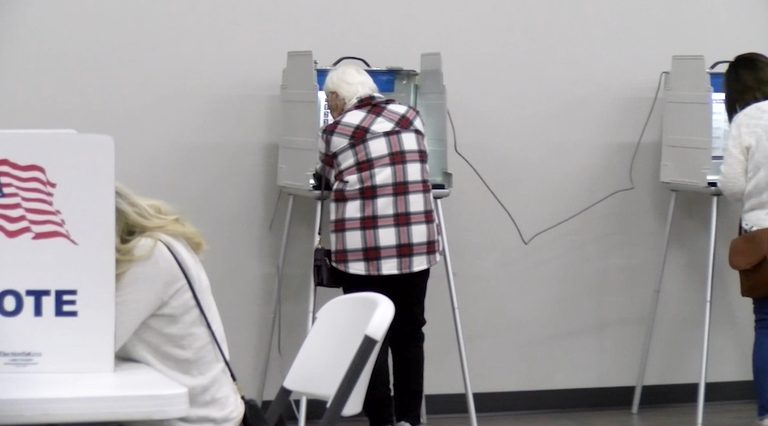
LINCOLN, Neb. – With Election Day just days away, the constant stream of political ads, social‑media posts and news coverage is taking a toll on many Nebraskans’ mental health, according to a University of Nebraska–Lincoln professor.
Research shows political anxiety is distinct from general anxiety
Political science professor Kevin Smith has spent years studying how politics impacts well‑being. He explains that a person can have high general anxiety but low political anxiety, or the reverse. “You can be someone who has a fairly high level of general anxiety and have fairly low political anxiety,” Smith said. “And you can also be somebody with pretty high political anxiety, but be very low in general anxiety.”
Smith’s research finds that political anxiety and general anxiety are related but separate. Importantly, the more closely people follow politics, the greater their political anxiety tends to be.
Balancing civic duty with personal health
“Liberal democracy depends upon attentive and engaged citizens,” Smith noted. “If paying attention and being engaged can literally make you sick, how do we navigate that trade‑off?” He warns that political anxiety can interfere with sleep, strain personal relationships, and affect both mental and physical health.
Warning signs include compulsively checking political news, obsessively worrying about election outcomes, or finding it hard to keep politics from dominating everyday thoughts.
Anxiety can linger well after the vote
Research documented that some people experience heightened election‑related anxiety for two weeks to five months after an election. “A lot of people think the election will be a cathartic moment where we can all breathe a sigh of relief, stop paying attention to those ads and flop into the collective couch,” Smith said. “There’s a lot of research that suggests it just doesn’t work like that.”
For some, anxiety eases after Election Day; for others, the results may worsen it.
Practical steps to manage political stress
Smith recommends limiting exposure to political information. “It’s fine to check the headlines once or twice a day, read the newspaper, watch the evening news, or check in once or twice on your social‑media feeds, but limit it,” he advised.
He also suggests taking walks, spending time with loved ones, or engaging in activities that shift focus away from politics. Faith‑based gatherings, family meals and community service can provide grounding and relief.
As Nebraskans prepare to cast their ballots on Nov. 3, finding ways to manage political anxiety remains crucial for both personal well‑being and the health of our democratic community.
Original reporting: KLKN-TV – News, Weather and Sports for Lincoln, Nebraska — read the source article.