Lincoln County, West Virginia – Early Saturday morning, longtime resident John Wells was driving along Route 10 near Hamlin when he saw motorists swerving to avoid something on the road. Pulling over, he discovered a dead bald eagle, the nation’s iconic bird, struck by a vehicle.
Resident’s quick response
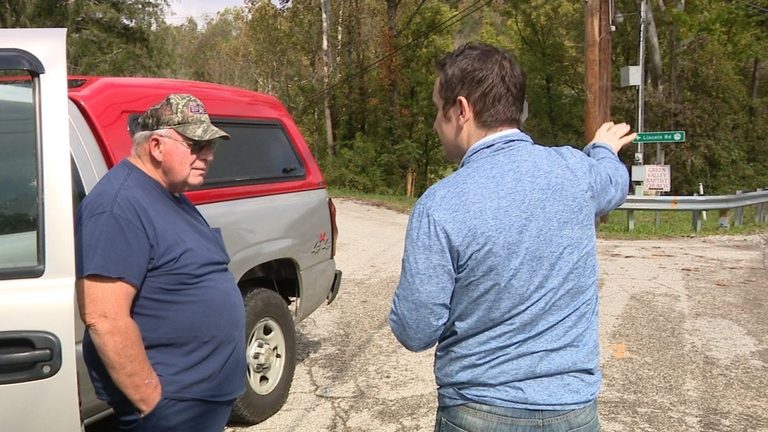
“At about 9:30 a.m., I came around the curve and noticed cars dodging something,” Wells said. “When I saw what it was, I stopped.” He carefully lifted the eagle from the median and placed it on the shoulder, hoping to keep the carcass from further damage.
Later that evening, around 6 p.m., Wells reported that despite multiple calls to state officials, the bird remained where he had left it. “It was still lying there,” he noted, expressing frustration at the delayed response.
DNR biologist explains the incident
Taylor Wilcox, a game biologist with the West Virginia Division of Natural Resources, said roadkill involving eagles is uncommon but not unheard of, especially during this season when scavengers are drawn to carrion on roadways.
“There is a lot of roadkill out there and they are scavengers. It is unfortunate, but it does happen sometimes,” Wilcox explained. He praised Wells for moving the carcass but cautioned against risking personal safety.
“I appreciate the impulse to make sure the carcass doesn’t get damaged any further,” Wilcox said. “Your safety comes first, so don’t run out into traffic to move any kind of injured wildlife.”
Habitat loss and increased road encounters
Wells linked the tragedy to broader environmental pressures. He said logging and development have reduced the eagles’ natural habitat, forcing them to cross roads in search of food from yards and bird feeders.
“They come off the mountains and across the road, looking for whatever they can find in people’s yards or bird feeders, and they end up getting killed on the highway,” he said.
Wilcox agreed, noting that deer and other game animals also face similar risks on West Virginia’s extensive road network. “We are not alerting them as much, but we certainly have a lot of communications going on,” he added.
Future safety measures
The Division of Natural Resources indicated that a warning sign may be installed along the stretch of Route 10 where the eagle was found, aiming to alert drivers to the presence of wildlife crossing the road.
“It may be fine to move it a short distance to get it out of the middle of the road, if it’s on the median, and let us know,” Wilcox said. “We’ll be out there as soon as we can get there.”
Community reaction
Wells expressed his heartbreak over the loss of what he described as “the majestic bird.” He recalled seeing two eagles in the county over the past seven years, noting that only one remains.
“I know that I’d been watching two eagles in the county for about seven years, but there’s only one now,” he said.
The incident serves as a reminder to residents to stay vigilant while driving, especially during dusk hours when wildlife is most active.
What drivers can do
- Stay alert for wildlife, particularly near wooded areas and known crossing zones.
- If you encounter an injured animal, contact the West Virginia DNR at the earliest opportunity.
- Avoid stopping in traffic lanes; if safe, move the animal a short distance off the road and report the location.
- Support local conservation efforts that protect natural habitats and reduce the need for wildlife to venture onto highways.
By working together, residents and state officials hope to reduce future roadkill incidents and preserve West Virginia’s treasured wildlife.
Original reporting: WCHS Eyewitness News Charleston (local) — read the source article.