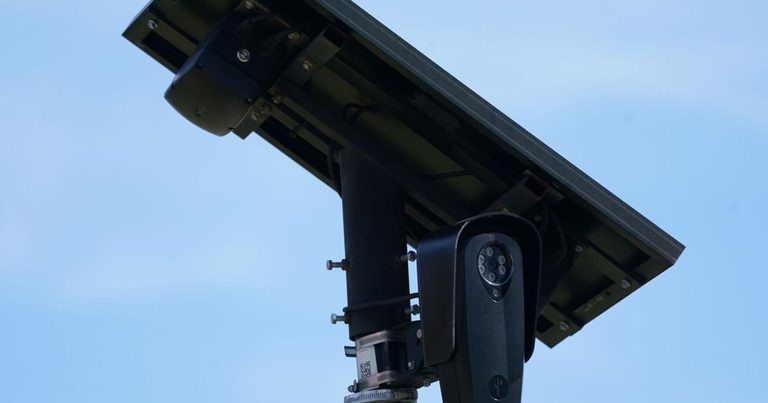
Two recent violent incidents have highlighted the investigative power of automated license‑plate readers (ALPRs) in the Capital Region. According to the Buffalo News, an ALPR system enabled law‑enforcement officers to identify a suspect who traveled from Virginia to New York and brutally murdered the husband of his former girlfriend. The same technology also helped sheriff’s deputies in Binghamton locate and arrest a suspected gunman after a shooting outside Albany.
These successes have sparked a policy debate in Albany. State lawmakers are now weighing proposals that would regulate the growing use of ALPRs by police departments, local governments and private businesses throughout New York. The legislation aims to balance public‑safety benefits—such as the rapid identification of suspects in violent crimes—with concerns about privacy and potential misuse of the data collected.
Supporters of the regulatory measures argue that clear rules are needed to prevent overreach while preserving the tools that have proven effective in solving serious offenses. They point to the recent cases as evidence that ALPRs can provide critical leads when traditional investigative methods fall short. Critics, however, caution that expanded surveillance capabilities could infringe on individual liberties if not properly overseen.
While the specific language of the proposals has not been finalized, the bills would likely establish standards for data retention, access controls, and transparency reporting. They would apply not only to municipal police forces but also to any government agency or private entity that operates an ALPR system. Lawmakers say the goal is to create a consistent framework that protects citizens’ rights without hampering law‑enforcement effectiveness.
For Albany residents, the discussion underscores a broader conversation about how technology can serve the community while respecting constitutional freedoms. The recent arrests demonstrate that ALPRs can be a valuable asset in protecting families and maintaining public order, yet the push for regulation reflects a desire to ensure that such tools are used responsibly.
What’s next: State legislators will continue to debate the proposed regulations during the current session, with hearings and public comment periods expected before any bill is brought to a vote. Residents are encouraged to follow the legislative process and provide input as Albany works to shape policies that safeguard both safety and liberty.
Sources: buffalonews.com