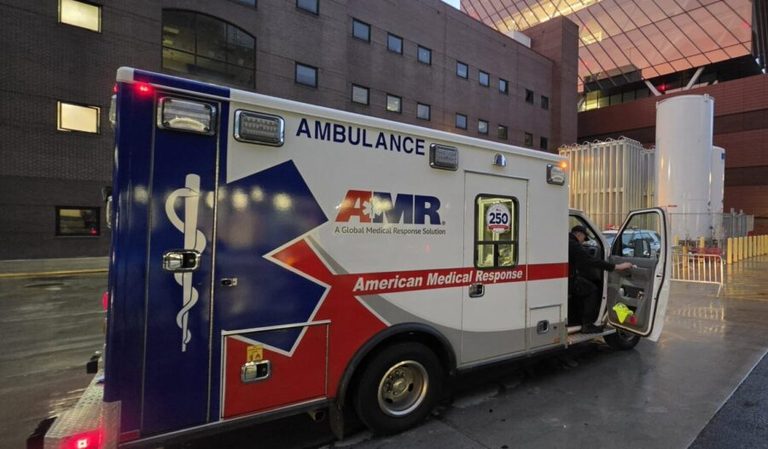
Lewisville‑based American Medical Response (AMR) and its parent, Global Medical Response, have reached a $2.2 million settlement with the U.S. Equal Employment Opportunity Commission (EEOC). The lawsuit claimed the company’s blanket “no beard” policy forced EMTs and paramedics to shave, even when a beard was required for sincerely held religious beliefs or for medical conditions such as folliculitis barbae.
EEOC says settlement protects religious liberty and disability rights
EEOC regional attorney Marcus G. Keegan, representing the Atlanta District, said the case involved workers from more than ten faith traditions, including Christianity, Judaism, Sikhism and Islam. He noted that the agency’s complaint alleged AMR denied reasonable accommodations—such as alternate respirators—forcing employees to shave in order to perform their duties safely.
“The EEOC is pleased to achieve this result for these EMTs and paramedics, which will allow them to serve their patients without compromising their religious beliefs,” Keegan said. “For those qualified EMTs and paramedics with disabilities, the resolution not only compensates those harmed, but provides a roadmap to start or continue their careers.”
Company’s response and next steps
While AMR has not publicly commented on the settlement, the agreement includes a commitment to expand its respirator program, offering alternative equipment that can accommodate bearded workers where safety permits. The EEOC highlighted that the settlement sends a clear message to employers about the legal obligation to consider religious liberty and disability accommodations under Title VII of the Civil Rights Act of 1964 and the Americans with Disabilities Act.
EEOC Chair Andrea Lucas added, “Employers cannot enforce blanket policies without considering their legal obligations to provide reasonable accommodations for religious beliefs and disabilities. The variety of faiths represented in this case underscores that religious liberty protections benefit Americans of many different faiths.”
Impact on local workforce
The settlement is a win for Lewisville’s emergency‑medical community, reinforcing that faith‑based workers can serve the public without being forced to abandon core religious practices. It also underscores the importance of employers engaging in good‑faith dialogue with employees to find safety‑compliant solutions.
Local leaders have praised the outcome as a reaffirmation of the city’s commitment to both public safety and individual liberty. The settlement may prompt other regional employers to review their own policies to ensure compliance with federal law.
What this means for employers
Businesses across Texas are being reminded that blanket grooming rules can run afoul of federal law when they ignore sincerely held religious beliefs or legitimate medical conditions. The EEOC’s successful action against AMR serves as a practical example of how reasonable accommodations—such as providing alternative respirators—can protect both employee rights and workplace safety.
Employers are encouraged to consult legal counsel and EEOC guidance when crafting grooming or equipment policies, ensuring that any restrictions are narrowly tailored and that accommodations are considered on a case‑by‑case basis.
Original reporting: Cross Timbers Gazette — read the source article.