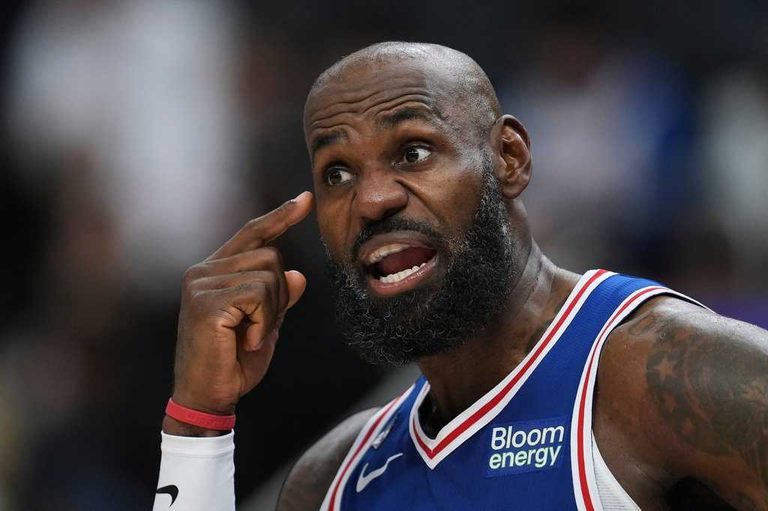
In a federal court in New York, NBA superstar LeBron James is taking legal action against PlayVision Inc., the California‑based developer of an artificial‑intelligence sports‑betting app. James’ attorneys argue the company deliberately violated his publicity rights and trademarks by branding the app “Bron” and using AI‑generated images that closely resemble the star’s tattoos, voice and number 23 jersey.
Allegations of willful infringement
The complaint describes the conduct as a “willful, bad‑faith tactic” designed to exploit James’ fame for commercial gain. According to the filing, PlayVision’s marketing campaign featured a lifelike digital rendering of the basketball icon scrolling through the app in a locker‑room setting, creating the false impression that James endorsed the product.
James’ legal team is seeking an injunction to stop the use of his name and likeness, a return of any profits earned from the campaign, and damages that include the fair market value of the unauthorized use as well as punitive damages.
Company’s response and background
PlayVision Inc., founded in 2025 by CEO Anish Gupta and CTO Marc Zoghby with backing from Y Combinator, markets the “Bron” app as a subscription‑based service that offers bet tracking and odds comparisons rather than direct wagering. The company announced a rebranding effort after receiving the cease‑and‑desist letter, but as of the filing date no new name had been adopted.
Gupta posted on social media that a new name would be announced the following Wednesday, a statement that James’ attorneys say is an attempt to capitalize on the controversy for additional attention.
Impact on the sports and betting community
The lawsuit underscores the importance of protecting athletes’ rights to control how their image and name are used. The complaint notes that James typically commands tens of millions of dollars for endorsement deals and already holds an exclusive partnership with the prediction‑market platform Polymarket.
Beyond the financial stakes, the filing highlights concerns about the integrity of NBA competition. The complaint warns that any suggestion a current NBA player is betting on games could erode public confidence in the sport.
Legal context
Publicity rights and trademark protections are well‑established under federal law, and courts have consistently ruled in favor of high‑profile athletes when their likenesses are used without consent. This case adds to a growing body of litigation addressing the misuse of AI‑generated images, a frontier that raises new questions about consent and intellectual property.
While the lawsuit is pending, the outcome could set a precedent for how AI‑driven marketing campaigns must obtain clear permission before leveraging a celebrity’s identity.
Original reporting: KOAT Albuquerque — read the source article.