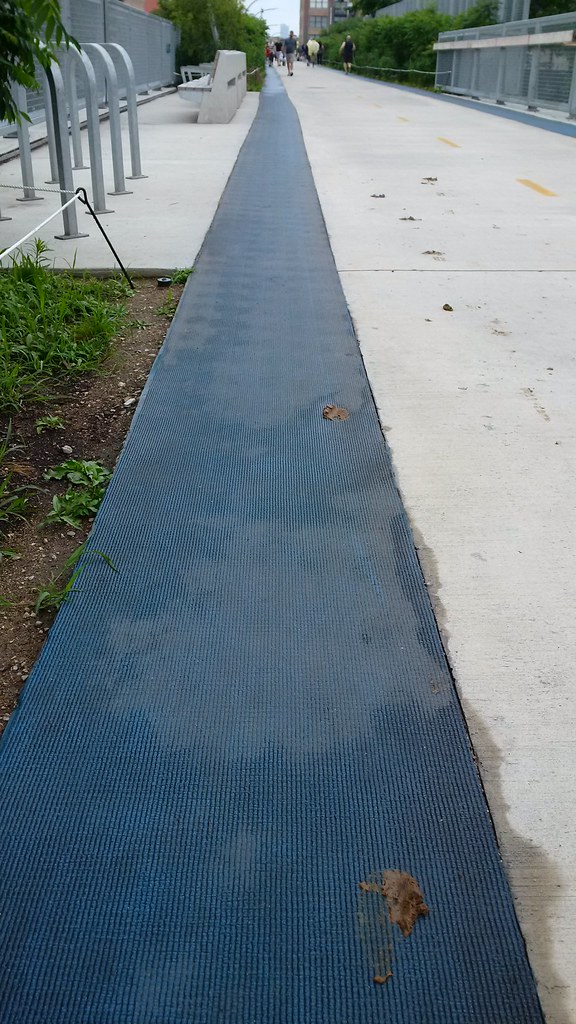
There is a moment, maybe fifteen minutes into your first run on the 606, when the city drops away beneath you and Chicago opens up in every direction at once. The skyline glitters to the east. A canopy of mature oaks arches overhead. A cyclist rings her bell as she passes, a dog trots purposefully alongside its owner, and somewhere below the elevated embankment, the neighborhood hums along on its own quiet frequency. You are not above Chicago so much as woven into it, and the feeling is genuinely unlike anything else in the city.
The 606 — formally known as the Bloomingdale Trail — stretches 2.7 miles across the northwest side, threading through four distinct neighborhoods: Wicker Park, Bucktown, Humboldt Park, and Logan Square. It was built on a decommissioned rail line that had been sitting idle for decades, and the transformation is nothing short of remarkable. The designers kept the industrial bones — the original Bloomingdale elevated structure, the graceful iron railings, the rhythm of the old rail ties pressed into the pavement — and layered in native plantings, public art installations, and a series of access ramps and staircases that connect the trail to the streets below at regular intervals.
Start at the eastern terminus near Ashland Avenue, just north of North Avenue in Wicker Park, and head west. The first stretch winds past community gardens and abstract sculptures before the trail opens into a long, breezy corridor with wide views over the rooftops of Bucktown. At street level, you might overlook this stretch entirely — up here, it reads like a park that belongs to the sky.
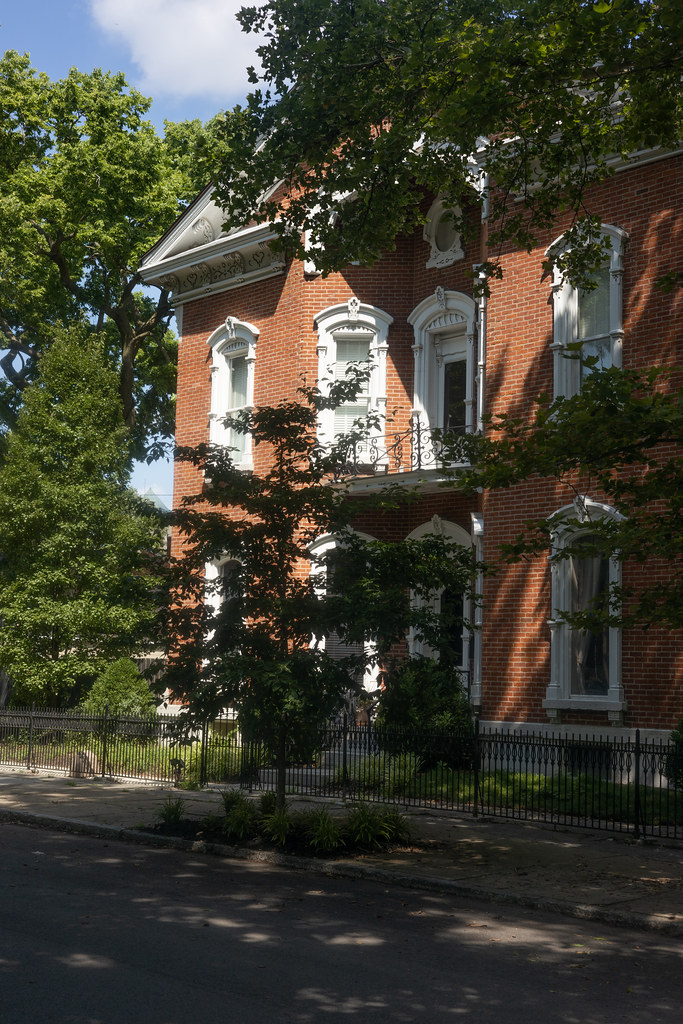
The trail is well maintained and genuinely multi-use. Runners, walkers, cyclists, and inline skaters share the path with reasonable grace. Weekday mornings are calm and almost meditative. Weekend afternoons bring more energy — kids on balance bikes, impromptu picnics on the grass berms, friends catching up on a slow stroll. There is no bad time to visit, though golden hour on a clear autumn evening might be the secret weapon. The light on those brick three-flats is extraordinary.
Along the way, you will pass several access points where it makes sense to duck down into the neighborhood for a coffee or a bite. The stretch near Milwaukee Avenue in Logan Square drops you steps from some of the city’s most interesting cafes and bakeries. The trail essentially connects the best of the northwest side’s food and culture scenes while keeping your feet off the pavement for as long as you like.
What makes the 606 feel special, beyond the obvious pleasures of a well-designed green corridor, is the way it democratizes the city. You do not need a car, a museum ticket, or a reservation. You just show up, climb the ramp, and walk. Neighbors use it for errands. Families use it for Sunday mornings. Visitors use it to understand, in a single unhurried hour, that Chicago is not just downtown. It is these neighborhoods, these trees, these people going about their days with quiet, purposeful energy.
If you are coming from the Loop, take the Blue Line toward O’Hare and exit at Damen or Western. The trail access ramps are well marked and easy to find. Wear comfortable shoes, bring water, and plan to stay longer than you intended. The 606 has a way of turning a quick walk into a full morning, and you will not mind one bit.