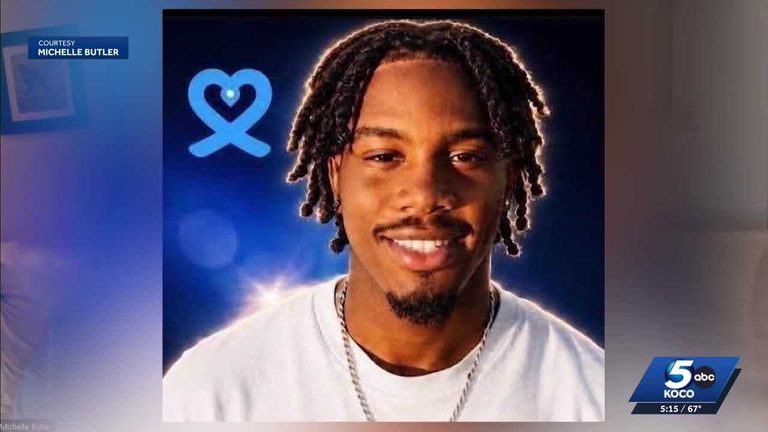
Texas – Cristian Butler, a Langston University student, is awaiting a living kidney transplant after his rare kidney disease forced him to pause his studies and move back home for treatment. The 21‑year‑old was diagnosed at age 16 with focal segmental glomerulosclerosis (FSGS), a condition that disproportionately affects Black Americans and can lead to kidney failure.
Family and community rally around the young scholar
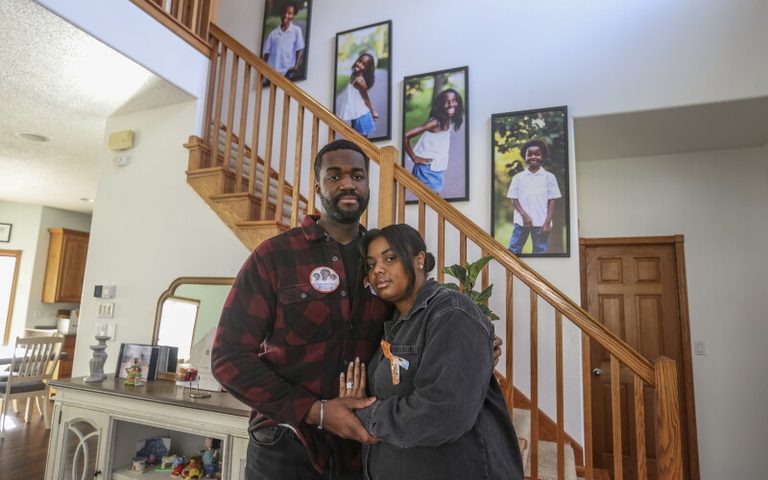
“I know that every mother wants what’s best for their child, and they want them to thrive,” said Michelle Butler, Cristian’s mother. She explained that the family’s move back to Texas was necessary so Cristian could attend frequent doctor visits, labs, and other medical appointments required by his nephrologist.
While at Langston University, Cristian was building a future, working toward a degree and forming lasting friendships. “Being apart from my brothers, my friends, my peers, campus life—it doesn’t feel like home,” he told reporters. Despite the setback, he remains determined to graduate in 2027 and hopes to pursue graduate studies afterward.
Living donor appeal
The Butler family is now asking the public to consider becoming a living donor. “Anybody who is a mother knows that your heart is walking around every day, and he is my only child. I’m an only child,” Michelle said, emphasizing the emotional weight of the request.
Potential donors do not need to be a perfect match to begin the process. The first step is to register interest, after which medical professionals will evaluate compatibility. Interested parties can click the provided link to begin the donor application, which requires the recipient’s name, date of birth (January 2, 2025), and blood type (B+).
Why the transplant matters
Without a transplant, Cristian’s kidney function will continue to decline, jeopardizing his health and his ability to return to school. A successful transplant would allow him to resume his coursework, graduate on schedule, and contribute to his community as a professional in the future.
Local churches and community groups have already begun organizing support drives, offering prayer chains and fundraising efforts to cover medical expenses. The Butler family expressed gratitude for the outpouring of support, noting that faith and family have been central to their perseverance.
How to help
Those interested in becoming a living donor should visit the transplant center’s website or contact the hospital’s donor coordination team directly. The process includes a thorough medical evaluation, counseling, and post‑donation follow‑up to ensure donor safety.
As Cristian and his family await a donor match, they remain hopeful that the generosity of strangers will enable him to return to Langston University, complete his degree, and fulfill his dreams.
Original reporting: Oklahoma City News Feed (HLL/CB) — read the source article.