At the close of this year’s ballot, voters in Kansas City, Kansas (KCK) will consider a single question: should the Unified Government impose an additional three‑eighths of one percent sales tax on purchases made within city limits? The measure, if approved, would earmark the revenue equally for park capital projects and for infrastructure work such as road, bridge and sidewalk repairs.
What the tax would do
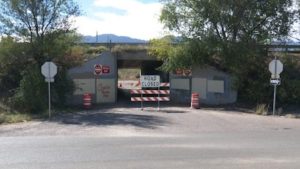
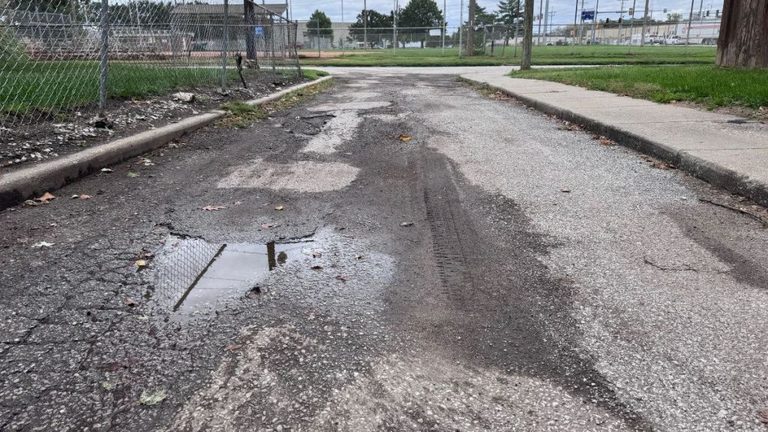
The Unified Government estimates the tax would bring in about $16 million each year – $8 million for the Parks Department and $8 million for Public Works – totaling roughly $160 million over the ten‑year life of the levy. Funds would be used for projects like the Parkwood Pool renovation, upgrades to community centers, new trail development and the long‑overdue maintenance of roads and bridges that currently sit at a Pavement Condition Index of 48 out of 100.
Why officials support it
Commissioner Andrew Davis, representing the 8th District, warned that the city’s infrastructure budget of just under $5 million falls far short of the $36 million a year needed to bring road conditions up to a healthy 75‑point range. “We hear about the needs all the time – the condition of our roads, the lack of sidewalks, the disrepair of playgrounds and parks,” Davis said. He added that even a modest $8 million boost from the tax would be a “big, big deal” in closing the maintenance gap.
Mayor Christal Watson echoed the sentiment, urging residents to view the tax as an investment in the community. “We have to invest in ourselves,” she told KCUR’s “Up to Date.” “We can’t expect other people to come in and do this for us. We must be held accountable for what we want in our own community.”
Critics raise concerns
Three commissioners – Bill Burns (2nd District), Andrew Kump (2nd At‑Large) and Chuck Stites (7th District) – voted against placing the question on the ballot. Kump called sales taxes “the most regressive tax,” noting that they disproportionately affect lower‑income families because the rate is flat regardless of earnings.
That criticism reflects a broader debate about tax policy. Sales taxes are indeed flat, meaning they take a larger share of income from those with less money, unlike progressive income taxes. However, Kansas law does not permit local income taxes, leaving sales taxes as the primary tool for municipalities like KCK to raise revenue for essential services.
How the tax fits into the broader tax picture
Currently, Kansas residents pay a combined 9.125 % sales tax on purchases in KCK – 6.5 % state, 1 % county and 1.625 % city. The proposed addition would raise the total to just over 9.5 % for items bought within the city limits. Purchases made in neighboring Edwardsville or Bonner Springs would remain unaffected.
The measure would also max out KCK’s special‑purpose sales‑tax rate, preventing the Unified Government from seeking another such tax until at least 2030, when the existing public‑safety and neighborhood‑infrastructure levy expires.
What a “yes” or “no” vote means
A “yes” vote creates the new tax for ten years, after which it would automatically expire unless renewed by voters. A “no” vote keeps the current tax structure unchanged, leaving the city to continue funding parks and infrastructure from existing sources and state or federal grants.
Both sides agree that the city cannot continue to defer maintenance indefinitely. The question for voters is whether they are willing to accept a modest increase in everyday purchases to fund the improvements that keep neighborhoods safe, vibrant and family‑friendly.
Original reporting: The Beacon (Kansas City) — read the source article.